
Private Wildlife Photography Colombia Trips
Tailor‑Made Wildlife Photo Trips — Colombia
by David Casas
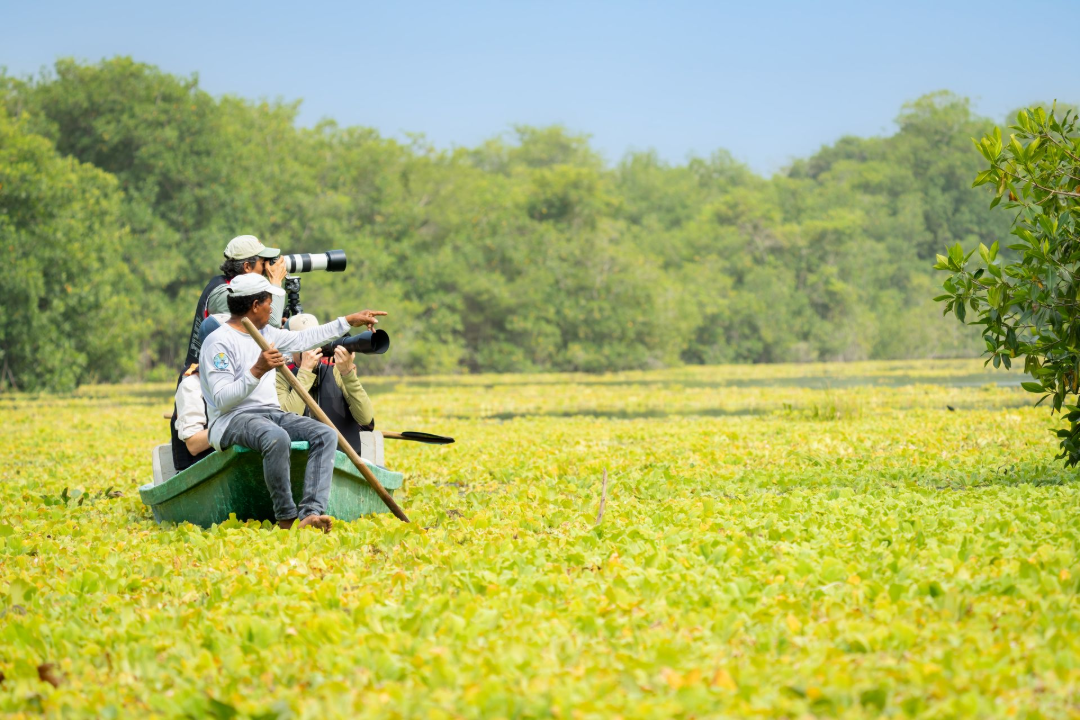
A Harpy Eagle stakeout before first light, a hummingbird garden arranged around your preferred shooting angle, or several quiet days looking for a Spectacled Bear in the high Andes: private wildlife photography in Colombia is built around the images you came to make. Rather than following a fixed route or adapting to a group’s pace, you can shape the expedition around target species, field conditions, comfort preferences, and the amount of time you want to spend in one productive place.
Colombia holds an exceptional concentration of life in a remarkably varied geography. Within one country, photographers can work in cloud forests, páramo, dry tropical forest, Amazonian rivers, Pacific lowlands, foothill forests, and snow-capped Andean landscapes. The opportunity is extraordinary. So is the planning required to use your time well.
Why a Private Wildlife Photography Trip Changes the Experience
A private itinerary is not simply a scheduled tour with fewer people. It is a photographic plan designed from the ground up. That difference matters when your priority is a specific bird, mammal, frog, reptile, or habitat rather than a general overview of Colombian biodiversity.
A fixed-date group tour can be an excellent choice for photographers who enjoy shared field time, a proven route, and a balanced list of species. Private travel becomes the stronger option when you have narrow targets, limited dates, a preferred travel pace, or a particular style of photography. You may want clean hummingbird setups, low-angle forest scenes, behaviour rather than record shots, or extended time for an elusive subject whose appearance cannot be scheduled.
The best private wildlife photography Colombia itineraries allow room for conditions. Rain can transform an amphibian night walk. A fruiting tree can suddenly draw tanagers, toucans, and cotingas. A report from a local ranger may justify changing the next morning’s plan. This flexibility is valuable, but it works only with experienced local coordination, realistic driving times, and trusted relationships in the field.
Start With the Photograph You Want to Make
Before choosing regions, define your priorities clearly. “Wildlife photography” is broad, while a strong private route begins with detail. Tell your guide whether you are pursuing endemic birds https://www.retornophototours.com/photographing, canopy species, large mammals, macro subjects, or a portfolio that captures Colombia’s habitats as well as its wildlife.
Your equipment matters, too. A photographer travelling with a 600mm lens, tripod, flash setup, and multiple camera bodies needs a different transport and field plan than someone working hand-held with a 100-400mm lens. Accessibility, elevation, trail conditions, vehicle space, and luggage limits all affect what is practical.
It also helps to be honest about your rhythm. Some photographers are happy leaving before dawn every day and returning after a night walk. Others want early sessions followed by a comfortable midday break, image review, and an afternoon hide or garden session. Neither approach is better. The right itinerary is the one that protects your energy for the moments that count.
Choose Regions That Match Your Targets
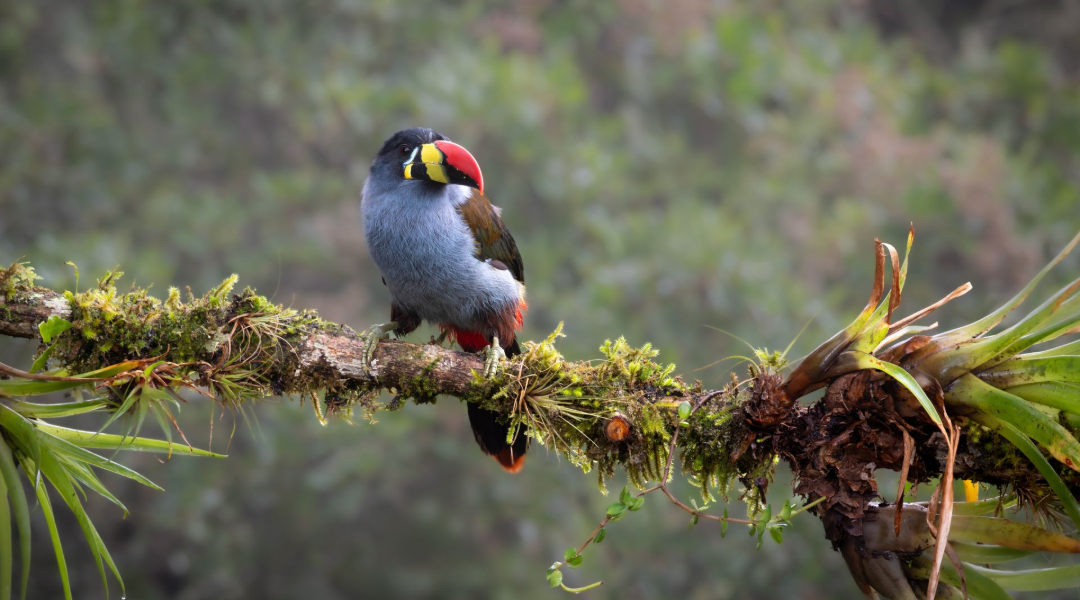
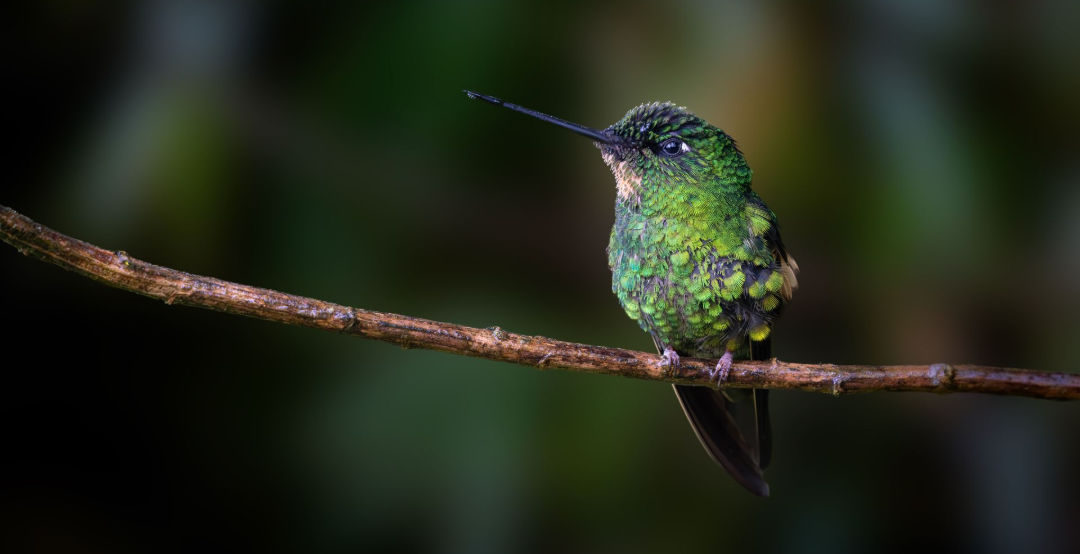
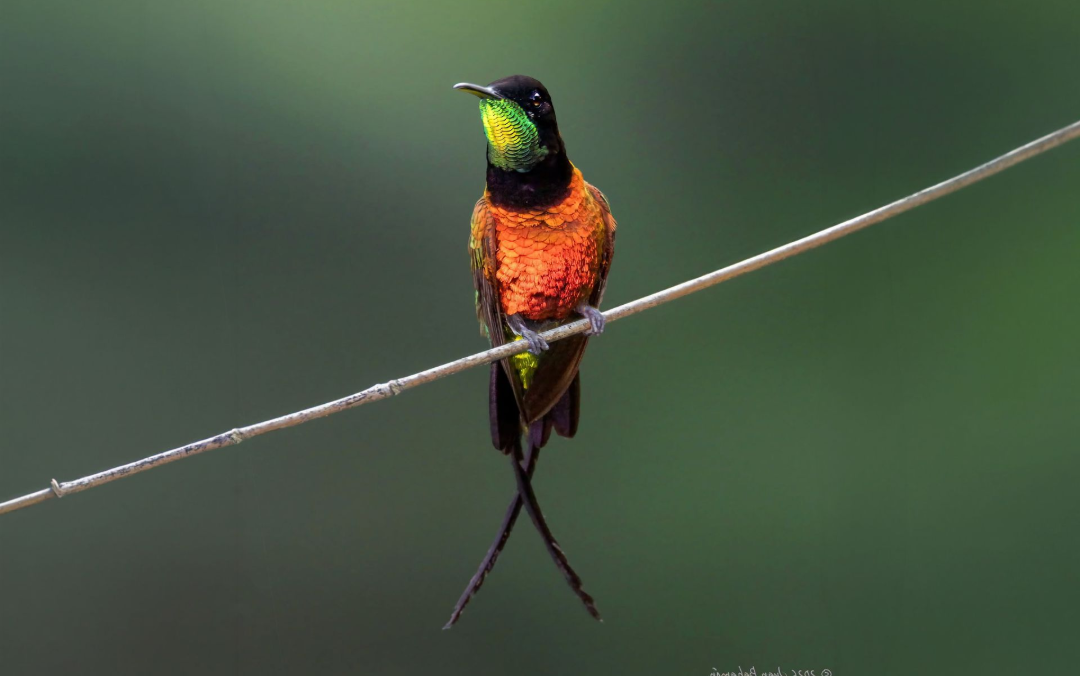
The Andes are often the foundation of a private Colombian expedition. Their changing elevations create distinct bird communities over relatively short distances, making it possible to photograph hummingbirds, mountain-tanagers, antpittas, toucanets, and sought-after endemics across several elevations. Cloud forest lodges and feeding stations can offer controlled opportunities, while forest trails reward patience and careful field technique.
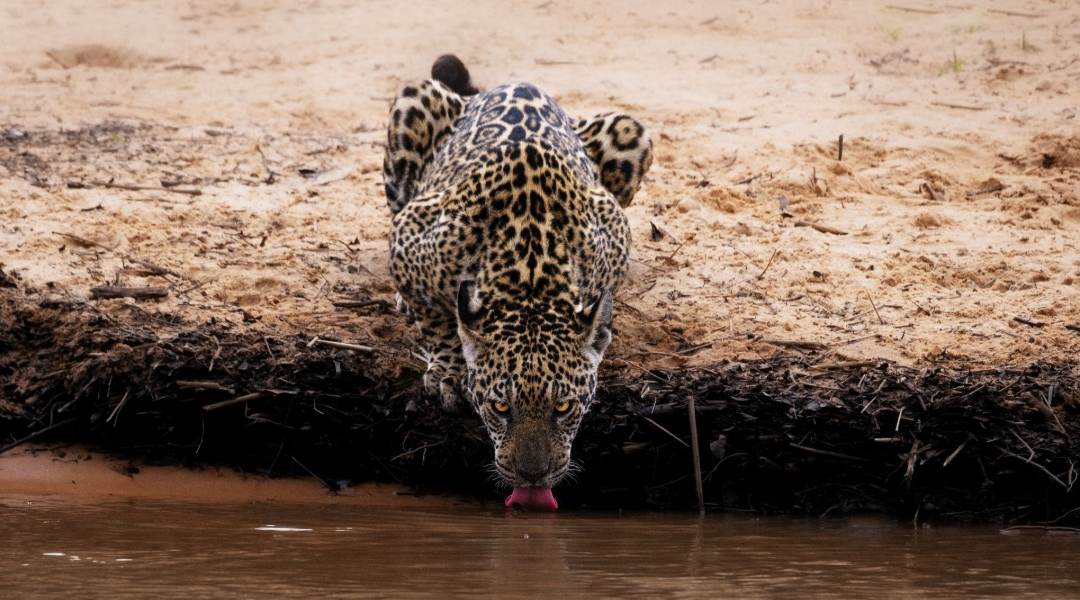
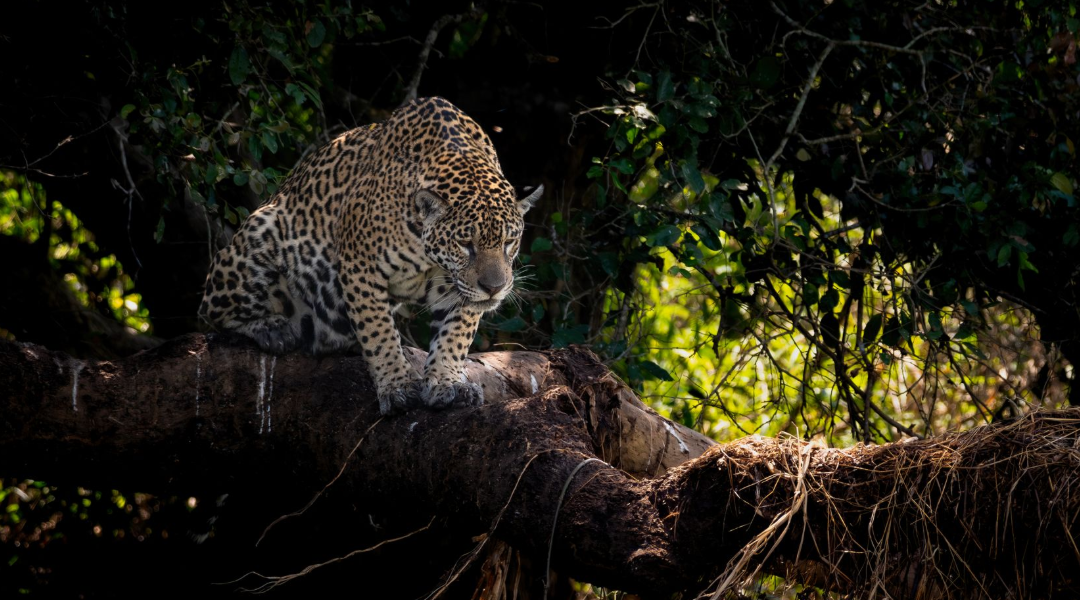
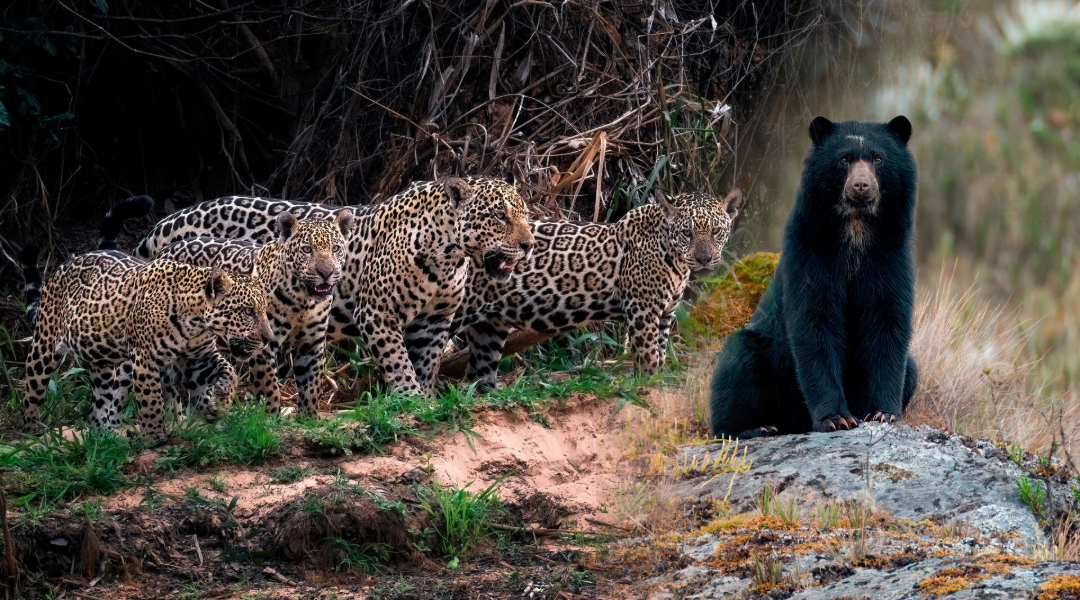
For iconic mammals, the right region and season are more important than simply adding a destination to the itinerary. Spectacled Bear photography, for example, requires appropriate habitat, local knowledge of recent activity, and a willingness to accept that wild animals set the terms. The same is true of Harpy Eagles, where nesting activity, access permissions, weather, and long observation windows shape the trip.
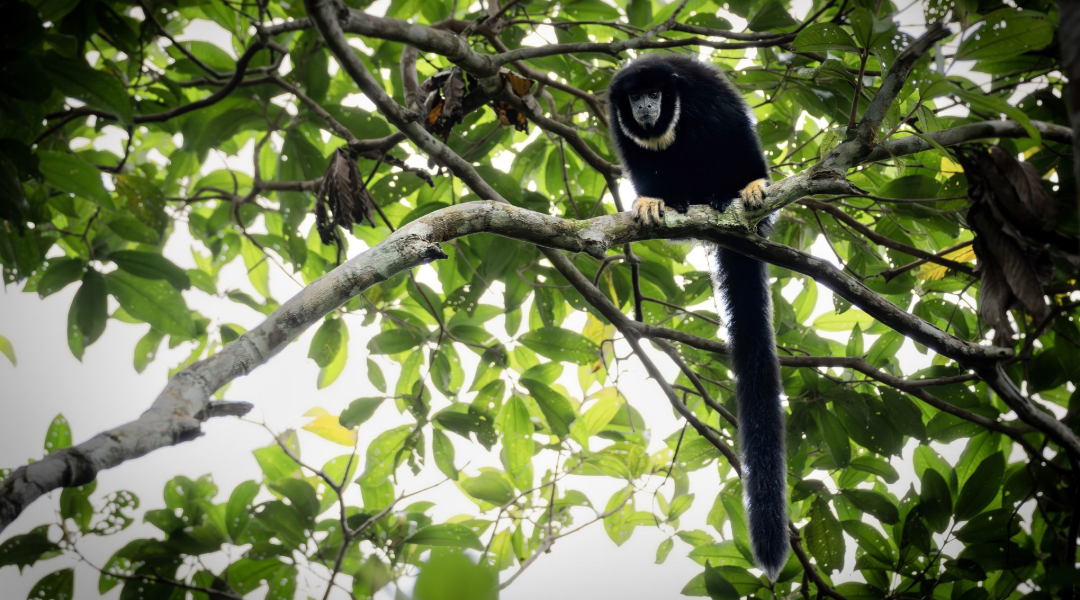
Amazonia offers a different photographic language: giant river landscapes, primates, macaws, hoatzins, caimans, and a remarkable range of nocturnal life. The Chocó region can deliver intensely green forests, regional endemics, frogs, and spectacular birdlife, but weather and remote logistics must be treated seriously. A well-designed private route does not try to fit every ecosystem into one visit. It chooses the habitats most likely to produce your strongest work.
Build Enough Time Into the Field Plan
Wildlife photography is often a waiting game, and Colombia rewards photographers who resist overpacking an itinerary. Moving between regions can be worthwhile, but each transfer costs more than hours on a map. Mountain roads, weather, domestic flight schedules, and luggage handling can affect a day’s productivity.
For a focused private trip, fewer bases with more full shooting days are often better than a rapid circuit. Three mornings at a productive Andean lodge may produce far more polished images than one morning each at three different sites. Extra time also lets you return to a perch after adjusting background position, light direction, flash balance, or camera height.
There are exceptions. If your goals include a broad range of endemic birds, changing elevation is essential. If you are combining Colombia’s Andes with Amazonian wildlife, internal flights may be the most efficient use of time. The point is not to travel slowly at all costs. It is to make every transfer earn its place in the photographic story.
Practical Details That Protect Your Field Time
Private expeditions are most rewarding when the logistics disappear into the background. That requires advance planning around transport, accommodations, meals, permits where needed, equipment protection, and local field support.
Colombia’s climates change quickly. A single expedition may involve cool, wet cloud forest mornings, warm foothills at midday, and cold high-elevation conditions. Bring a reliable rain cover for camera and lens, moisture protection for bags, quick-drying layers, waterproof footwear with good traction, and a small towel or cloth for condensation. A lightweight tripod can be useful at feeders, on night walks, and for low-light forest work, though it is not always practical on steep trails.
Long lenses create beautiful subject isolation, but they are not the only tools worth carrying. A macro lens opens a world of frogs, insects, orchids, and small reptiles. A wider lens helps tell the larger story of rainforest, páramo, and river landscapes. Flash can be effective for nocturnal subjects when used responsibly and under guide direction, but it should never override animal welfare.
Safety is part of photographic success. Productive sites may be remote, and the best conditions can occur at dawn, after rain, or on uneven trails. Professional local support means secure transport, clear expectations, knowledgeable guides, and decisions based on current conditions rather than assumptions. It also means respecting local communities and following the people who know these forests best.
Ethical Access Creates Better Photography
The most meaningful wildlife images come from respectful encounters. Feeding practices, playback, flash, approach distance, and time at a subject all require judgment. Ethical guiding keeps the animal’s welfare ahead of a photographer’s wish for one more frame.
This approach also supports the people who protect wildlife habitat. Community-owned reserves, rural lodges, local naturalists, Indigenous and Afro-descendant communities, and landowners often make access possible while creating tangible reasons to conserve forests. When tourism is thoughtfully directed, photography can support livelihoods tied to living ecosystems rather than their conversion.
At Retorno Photo Tours, private expeditions are designed with this principle in mind: serious photographic opportunity, coordinated with local knowledge and respect for the landscapes and communities that make the experience possible.
What a Tailor-Made Itinerary Can Include
A private journey may be built around one flagship subject or a carefully connected collection of habitats. A photographer with ten days might focus entirely on Andean endemics and hummingbirds, with unhurried time at several elevations. Someone with two weeks could combine cloud forest birds, Amazonian river wildlife, and a specialized mammal extension if travel timing supports it.
Comfort can be tailored as well. Some photographers prefer characterful field lodges close to first-light action, even if amenities are simple. Others need more spacious accommodations, private transport throughout, or a pace that accommodates non-photographing travel companions. Clear preferences early in the planning process prevent compromises that cost valuable shooting time later.
The best private wildlife photography trip is not defined by how many species appear on a checklist. It is defined by the quality of time spent in the right habitat, with the right people, when the forest begins to reveal itself. Bring your subjects, your priorities, and your patience. Colombia will provide the wild possibilities.