
Colombian Llanos Photography Guide for Wildlife
Discover Meta or Yopal region.
At first light in the Colombian Llanos, a capybara may step from misty grass into a mirror-still lagoon while a Jabiru rises overhead. Ten minutes later, the sun can be fierce, the horizon vast, and your next subject hidden in a gallery forest. That contrast is exactly what makes a Colombian Llanos photography guide essential: this is a landscape of extraordinary wildlife encounters, but success depends on timing, mobility, patience, and knowing how the plains change with the seasons.
The Llanos are Colombia’s great eastern savannas, a living mosaic of open grassland, palm-dotted floodplains, rivers, wetlands, forest islands, and working cattle ranches. For wildlife photographers, they offer a different kind of Colombian expedition. Instead of chasing one bird through dense cloud forest, you often work from vehicles, boats, trails, and ranch tracks with broad sightlines and a remarkable range of mammals, birds, reptiles, and amphibians within reach.
What Makes Llanos Wildlife Photography Special
The scale of the plains creates photographic possibilities that are difficult to replicate elsewhere in Colombia. Low horizons allow clean environmental compositions, sunrise silhouettes, and images that place wildlife within the immense savanna. Wetlands bring reflective water, soft dawn light, and layered bird scenes. Forest edges can produce intimate portraits when the light is right.
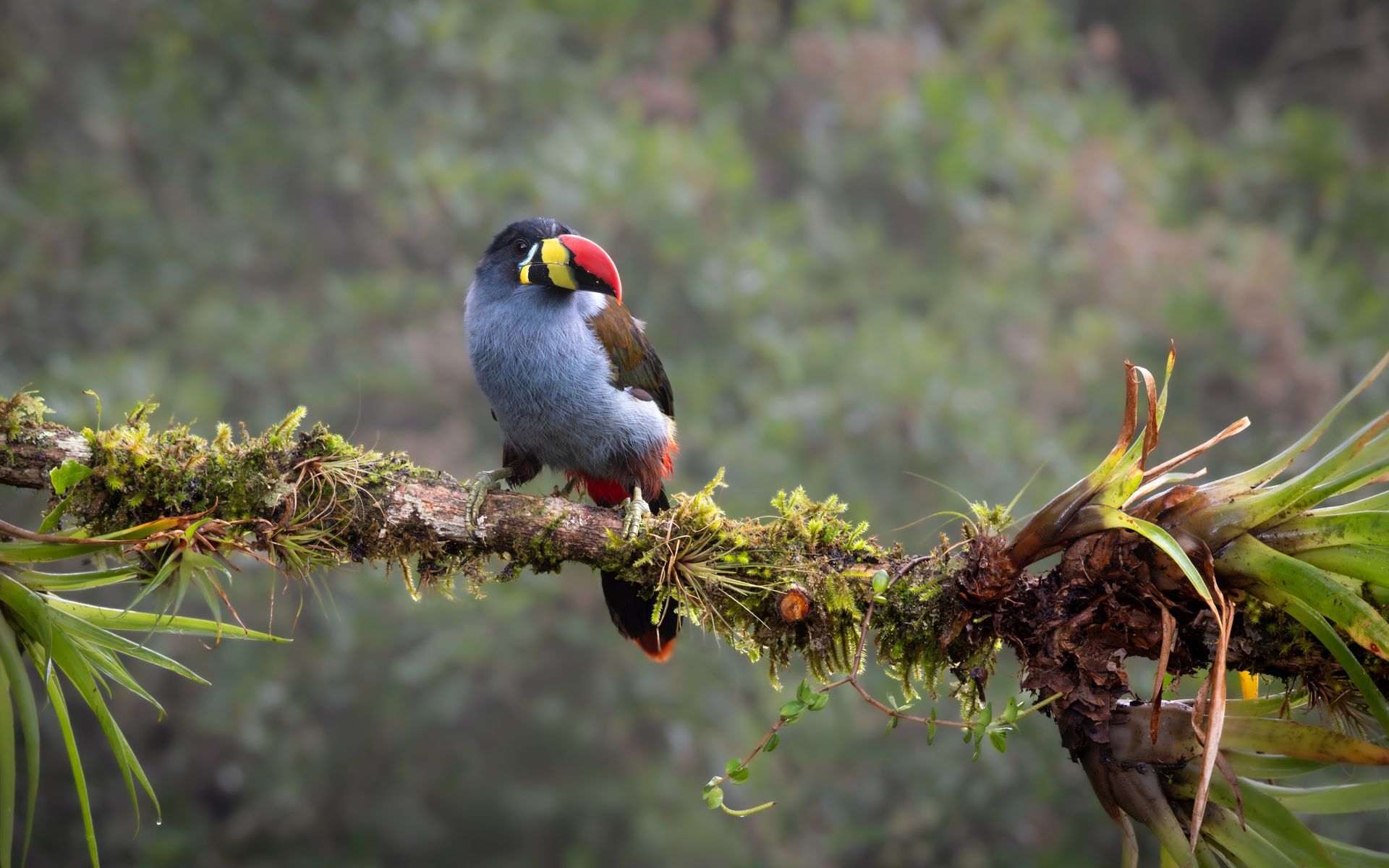
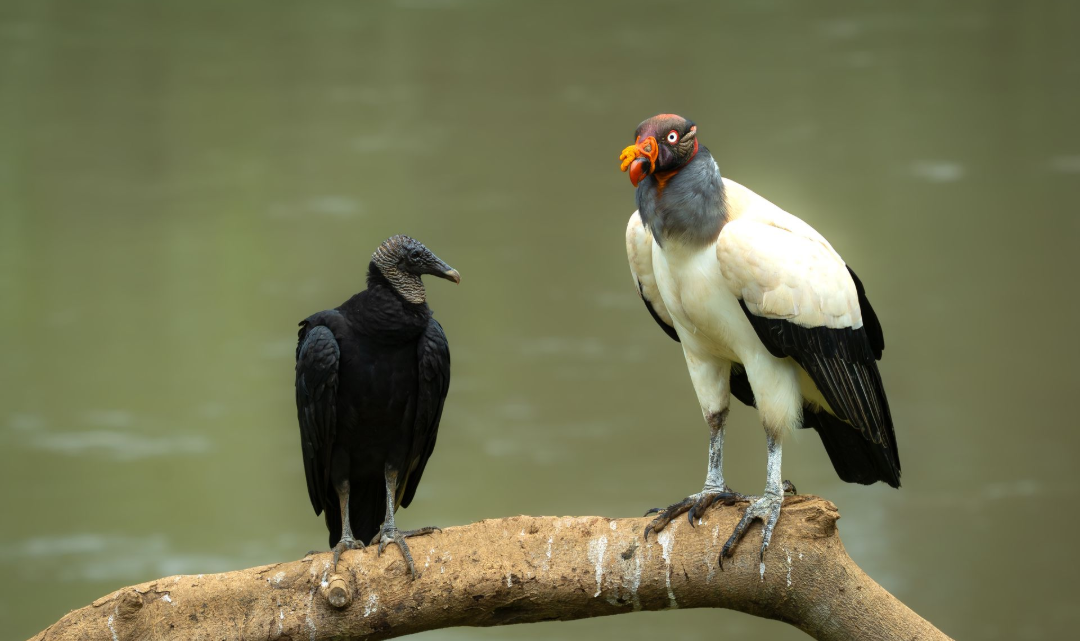
The region is particularly rewarding for photographers who want a varied portfolio. Capybaras, white-tailed deer, crab-eating foxes, giant anteaters, red howler monkeys, and, in selected areas, giant otters are among the mammal possibilities. Birdlife can include Jabirus, scarlet ibis, herons, egrets, kingfishers, horned screamers, raptors, macaws, parakeets, and colorful species around riverside woodland. Reptile opportunities range from spectacled caimans to turtles and iguanas, while night outings may reveal frogs, insects, and nocturnal mammals.
This is not a destination where every encounter is guaranteed. Giant anteaters cover large territories, otters can be elusive, and a distant subject may remain distant. But the abundance of life means there is usually another story unfolding nearby. A good Llanos itinerary is built around that flexibility rather than a single checklist species.
Colombian Llanos Photography Guide: Choosing Your Season
Season is the biggest planning decision. The Llanos have pronounced dry and rainy seasons, although the exact timing and conditions vary by location and year.
The drier months, generally December through March, are often the most straightforward for photography-focused travel. Wildlife commonly concentrates around remaining water sources, roads and ranch tracks are more reliable, and overland travel is easier to organize. Dry grass, dusty tracks, and lower water levels can create a classic savanna look. Early mornings and late afternoons become especially productive because animals use the cooler hours.
The trade-off is heat. Midday light can be harsh, haze may soften distant scenes, and dry conditions can make both photographers and equipment dusty. Build your day around the best light rather than trying to photograph continuously from morning to evening.
The wetter period, broadly April through November, transforms the plains. Flooded grasslands, storm clouds, saturated greens, and reflective wetlands make powerful landscape and environmental images. Bird activity around water can be exceptional, and amphibian photography improves dramatically. Yet rain may limit access, extend travel times, and make certain remote tracks impassable. It is a beautiful season for photographers who welcome changing weather and can accept a less predictable daily plan.
For first-time visitors seeking efficient access to wildlife, the dry season is usually the easier choice. For repeat visitors, creative landscape photographers, and those drawn to rain, frogs, and dramatic skies, the wet season can be unforgettable.
Build a Kit for Distance, Dust, and Fast Moments
A 400mm lens or longer is extremely useful in the Llanos. Wildlife is often visible, but not always close enough for a full-frame portrait. A 500mm or 600mm prime offers reach for birds and shy mammals, while a 100-400mm or 200-600mm zoom provides flexibility when shooting from vehicles or boats. A 1.4x teleconverter can earn its place if you are comfortable working with the reduced aperture and slower autofocus response.
Do not bring only a long lens. A 70-200mm or similar mid-range zoom is valuable for capybaras near a lagoon, perched macaws, wider animal-in-habitat frames, and fast-changing scenes from a vehicle. A wide-angle lens is worthwhile for dawn landscapes, dramatic storm cells, and portraits of the working plains when local hosts welcome photography.
Support matters as much as focal length. Beanbags are often more practical than tripods from a vehicle, while a sturdy monopod can help during short walks. A tripod remains useful around lodges, wetlands, and night photography, but it should not slow down a mobile wildlife session. Bring lens cloths, a rain cover, extra batteries, ample memory cards, and a dry bag or protective case. Fine dust and sudden rain are both normal field conditions.
For personal comfort, choose breathable long sleeves, a wide-brimmed hat, sturdy closed shoes, sunscreen, insect repellent, and refillable water storage. Neutral colors are helpful, although comfort and protection matter more than looking camouflaged. Avoid loose clothing that can snag on vegetation or make it difficult to move quickly in and out of a vehicle.
Work the Light Instead of Fighting It
The Llanos reward photographers who protect the first and last hours of the day. Before sunrise, mist, calls from wetland birds, and cool blue tones create atmosphere. After sunrise, warm side light brings out the texture of capybara fur, grass, and the sculptural bills of large waterbirds. In late afternoon, backlight can turn seed heads and dust into a luminous background.
By midmorning, shift your expectations. Strong tropical light can still work for graphic bird behavior, deep-blue water scenes, reptile portraits, or high-key images, but it is rarely the time for your most flattering mammal portraits. Use the middle of the day to travel, rest, download files, scout a productive lagoon, or photograph species in shade.
Keep backgrounds in mind. The open plains make clean compositions possible, but fence posts, distant buildings, and bright patches of dry grass can still distract. Move a few feet when conditions allow, lower your angle, or wait for a subject to take one more step. Often the difference between a record shot and a portfolio image is not more focal length. It is better positioning.
Photograph Wildlife With Respect
The best Llanos images come from natural behavior, not pressure. Maintain a respectful distance, especially around nests, young animals, and species resting at water. Never crowd an animal simply because the habitat is open. A capybara that repeatedly watches you, changes direction, or retreats has already told you the approach is too close.
Avoid playback for sensitive birds unless a qualified local guide determines that it is appropriate and limited in scope. Do not feed wildlife, handle amphibians or reptiles for photographs, or use flash on nocturnal animals at close range. Night photography should be conducted with restrained lighting, careful footing, and attention to the animal’s behavior.
Ethical photography also extends to people and places. Much of the Llanos is shaped by ranching families, rural communities, and local conservation initiatives. Ask before photographing people, homes, work activities, or cultural events. Choose operators whose local relationships create tangible benefits for communities and whose access supports habitat protection rather than disturbance.
Plan Logistics Around Field Time
Most Llanos photography itineraries begin with a domestic connection from Bogotá to a gateway city such as Yopal, followed by overland travel to private reserves, wildlife-focused ranches, or remote lodges. Distances can look modest on a map but take longer than expected on rural roads, particularly after rain. The right route minimizes unnecessary transfers and puts you near productive habitat for dawn and dusk.
Lodging standards vary from comfortable ranch accommodations to simpler field bases. What matters most is practical access: secure gear storage, early breakfasts, reliable vehicles, drinking water, and guides who understand both wildlife behavior and photographic priorities. A small group is a major advantage, since it gives each photographer more room to work and makes it easier to adjust when an anteater, raptor, or active wetland demands extra time.
At Retorno Photo Tours, this kind of expedition planning is built around the realities of the field: local access, safe transport, flexible wildlife-focused days, and guides who know when to wait and when to move. For a private trip, the itinerary can be shaped around your preferred subjects, mobility needs, equipment, and tolerance for rustic conditions.
Bring a willingness to slow down. The Llanos rarely reveal their best moments on command, but a quiet wait beside a lagoon or a patient scan across the grass can turn an ordinary morning into the photograph you traveled to Colombia for.
Scheduled Tours
Western Amazon: Gateway to Chiribiquete.
Jaguars of Pantanal
Amazon's Guiana Frontier - Mitu.
Emblematic Birds Photo Tour