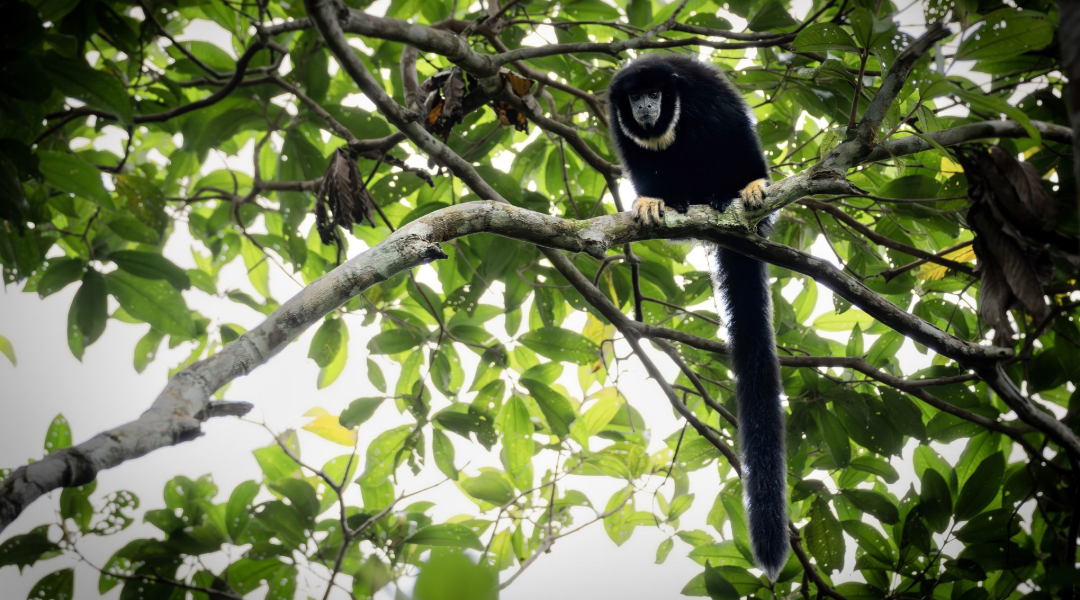

Camera Rain Covers for Wildlife Photography
Rain cover matters a lot.
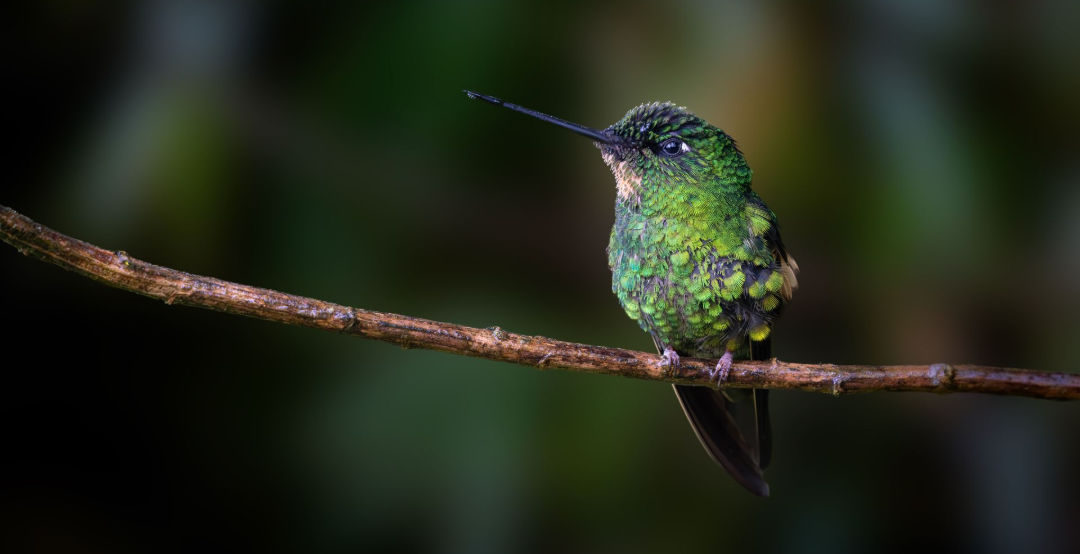
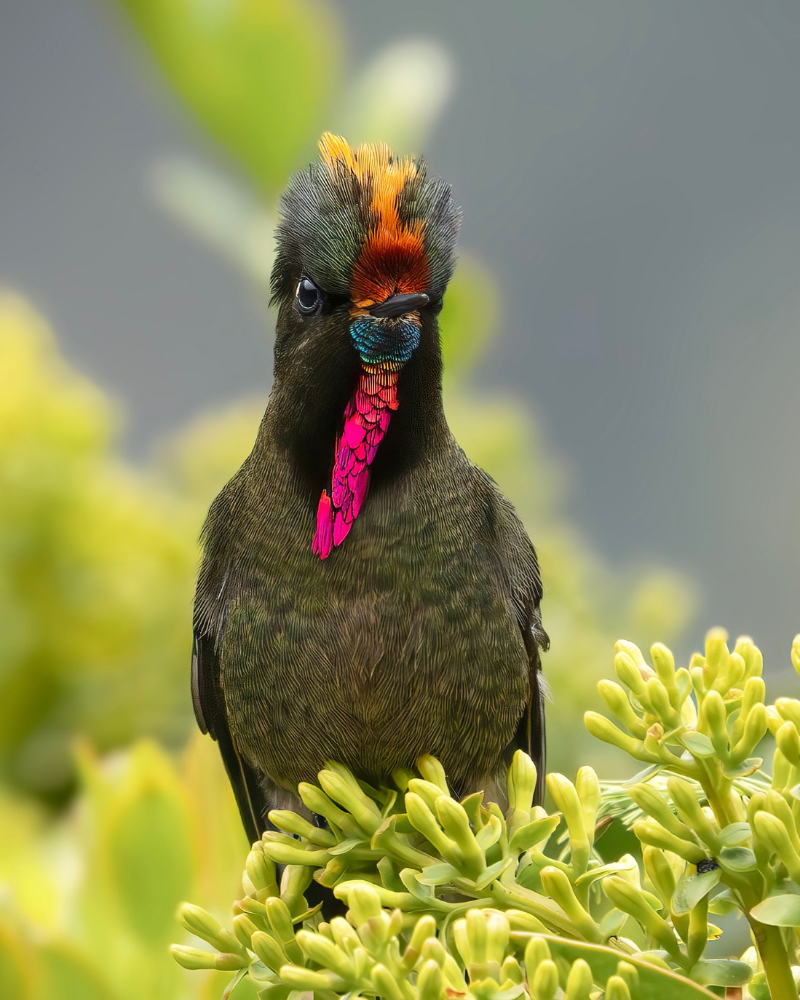
A hummingbird finally settles on a flower in the Colombian cloud forest, the light is soft, and rain begins to tick against your lens hood. This is not the moment to pack away a long lens. With the right camera rain covers, wet weather becomes part of the photographic opportunity rather than the end of it. For bird and wildlife photographers, rain protection is not a minor accessory. It is what allows you to keep working through rainforest showers, misty Andean trails, boat spray, and long waits in a damp hide. The goal is not to make your kit invincible. It is to protect it well enough that you can stay focused on the subject, operate the controls confidently, and make sensible decisions when conditions become genuinely severe.
Why camera rain covers matter in the field
Many weather-sealed camera bodies and professional telephoto lenses can tolerate a brief shower. That does not mean they should spend hours exposed to tropical rain. Water can work into buttons, terminals, zoom and focus rings, viewfinders, and lens mounts. Humidity creates a second challenge: gear that stays wet inside a bag or vehicle can develop fungus, corrosion, and persistent moisture problems long after the trip ends.
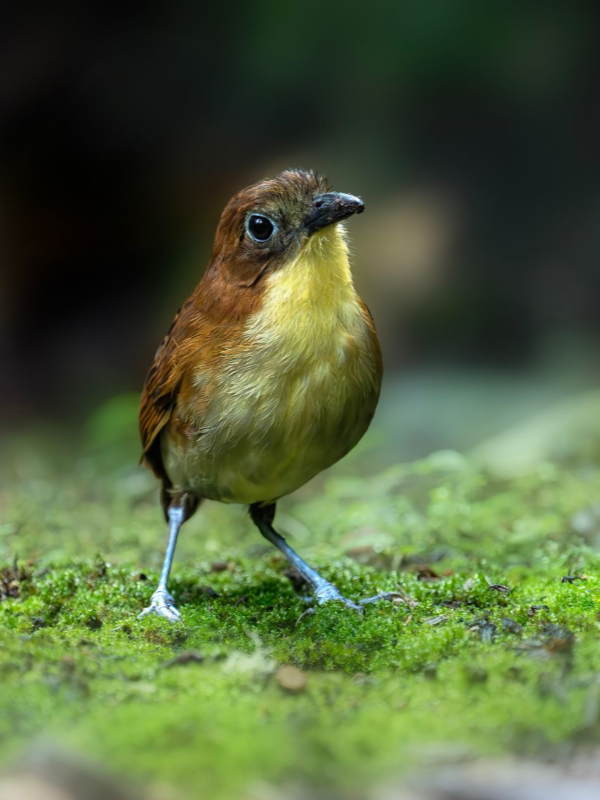
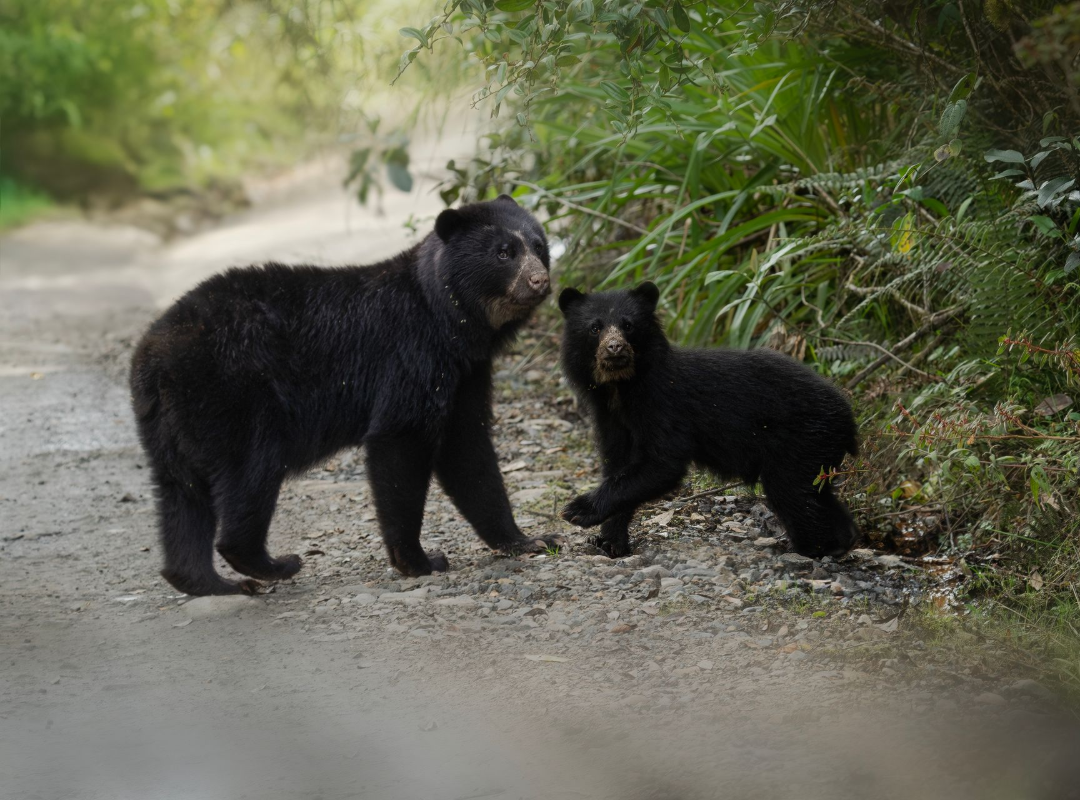
A rain cover buys you valuable shooting time. It also reduces the distracting routine of wrapping a jacket around your camera, pulling it away for every frame, and hoping the lens front element stays clear. In a rainforest clearing, that hesitation can mean missing an antbird, a tanager flock, or the brief appearance of a Spectacled Bear.
Rain can improve an image, too. Saturated foliage, softened backgrounds, clean feathers, and droplets on a bird’s plumage create an atmosphere that dry conditions cannot reproduce. The trade-off is lower light, more movement, and a greater need for disciplined equipment handling.
Choose the right cover for your camera and lens
The best rain cover is the one that fits your specific working setup. A compact cover for a mirrorless body and 100-400mm lens is very different from one designed for a full-frame body with a 600mm f/4 on a tripod. Before buying, mount your longest lens, attach the lens hood, and measure the complete setup.
Fit matters more than a long feature list
A cover should extend beyond the rear of the camera and far enough over the lens to protect the focus and zoom rings. It should also cinch securely around the lens barrel behind the hood. If the opening is too loose, wind-driven rain will enter. If it is too tight, operating the camera becomes frustrating, especially with gloves or cold hands.
Look for a transparent rear panel that lets you see the screen and controls. Clear material is useful, but it can fog, crease, or reflect in humid conditions. A well-designed sleeve arrangement for your hands is often more valuable than a large window. You need quick access to exposure compensation, autofocus controls, shutter speed, and playback without exposing the body every few minutes.
For photographers using gimbal heads, check that the cover leaves room for the tripod foot and allows a smooth pan and tilt. A cover that binds against the head can make tracking a flying bird far more difficult than the rain itself.
Material and construction
Lightweight nylon or polyester covers are excellent for intermittent showers and are easy to keep in a side pocket. Heavier waterproof fabric offers better protection during sustained rain, although it can be bulkier and noisier. That noise matters near wary wildlife. A crinkly cover may not bother a toucan high in the canopy, but it can be a problem when you are waiting quietly for a lowland tapir or a forest-floor bird.
Seams are a weak point. Taped or sealed seams provide meaningful extra protection in prolonged rain. Elastic cuffs and drawstrings should be easy to adjust with one hand. Avoid covers with exposed metal parts that can rust or sharp edges that could scratch your camera body.
A simple plastic rain sleeve can be surprisingly useful as an emergency backup. It is light, inexpensive, and effective for short periods. It is not the best choice for repeated use on a serious expedition: it tears easily, traps condensation, and offers limited control access. Still, carry one. In remote areas, redundancy is practical, not excessive.
Set up camera rain covers before the weather arrives
Rain protection works best when it is already on the camera. Trying to install a cover while a downpour starts, your subject appears, and your group is moving along a narrow trail is a recipe for missed frames and wet gear.
Practice at home with the lens you expect to use most. Learn how to put the cover on while the camera is attached to your tripod or monopod. Confirm that you can change focus modes, use back-button focus, review the histogram, and replace a battery without fumbling. If you need reading glasses to see small buttons, test that combination as well.
On a wet morning, fit the cover before leaving the vehicle or lodge. Keep the front lens element protected with a hood and a clean microfiber cloth in an accessible pocket. Do not put that cloth back into your dry kit after it is soaked. Carry several cloths in small waterproof pouches so you always have one reserved for the front element.
A cover is not a substitute for a dry bag or waterproof backpack. When walking between locations, moving by boat, or traveling in an open vehicle, your camera needs protection even when it is not in your hands. Use a pack with a rain cover or a dedicated dry bag for extra bodies, flashes, batteries, and memory cards.
Managing condensation, mist, and heavy rain
The most common mistake is sealing a camera too tightly and assuming that moisture is now solved. In warm, humid habitats, your hands and camera generate heat. That trapped air can condense inside the cover, particularly when you move from an air-conditioned vehicle into humid forest or from a cold high-elevation location into warmer conditions.
Give the cover enough ventilation to reduce internal fogging while maintaining protection from direct rain. In light mist, a more open setup may be better than fully cinching every opening. During a heavy downpour, close the cover securely, but pause shooting if water is entering around the lens or body.
When returning to the lodge, do not immediately seal wet equipment in a bag. Wipe down the exterior, remove the rain cover, open camera-bag compartments, and allow gear to air dry in a secure indoor space. Silica gel packs help manage residual moisture, but they are not magic. Recharge or replace them when their indicator shows saturation.
Never use a hair dryer or place wet equipment directly against a strong heater. Rapid heat can push moisture deeper into the equipment or damage delicate components. Patient drying at room temperature is safer.
A practical wet-weather routine for wildlife photographers
The strongest rain strategy is a simple routine that becomes automatic. Before heading out, check the forecast, fit a cover if showers are likely, and place dry cloths, a spare sleeve, and a small towel where you can reach them. Keep batteries and cards inside waterproof pouches, not loose in wet jacket pockets.
In the field, protect the camera first and yourself second only when necessary. A soaked photographer can still make decisions; a soaked camera may not. Keep the lens hood on, point the lens slightly downward when waiting, and wipe droplets gently rather than rubbing grit across the front element. If rain becomes intense enough that visibility, footing, or safety is compromised, stop. No photograph is worth a fall on a slick trail or exposing equipment to water it cannot handle.
Retorno Photo Tours plans field days around changing conditions, but rainforest weather always has the final word. The photographers who make the most of it are prepared, patient, and ready when the forest comes alive after rain.
Pack a rain cover that fits, rehearse using it, and let wet weather expand your possibilities. Some of the most memorable wildlife images are made after everyone else has decided the day is over.
Scheduled Tours
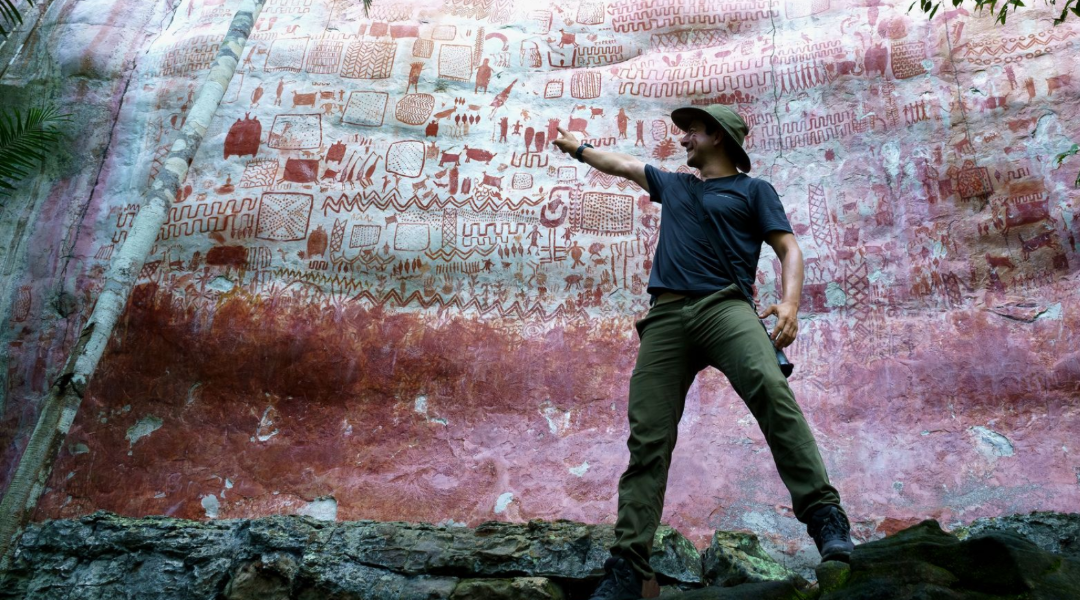
Western Amazon: Gateway to Chiribiquete.
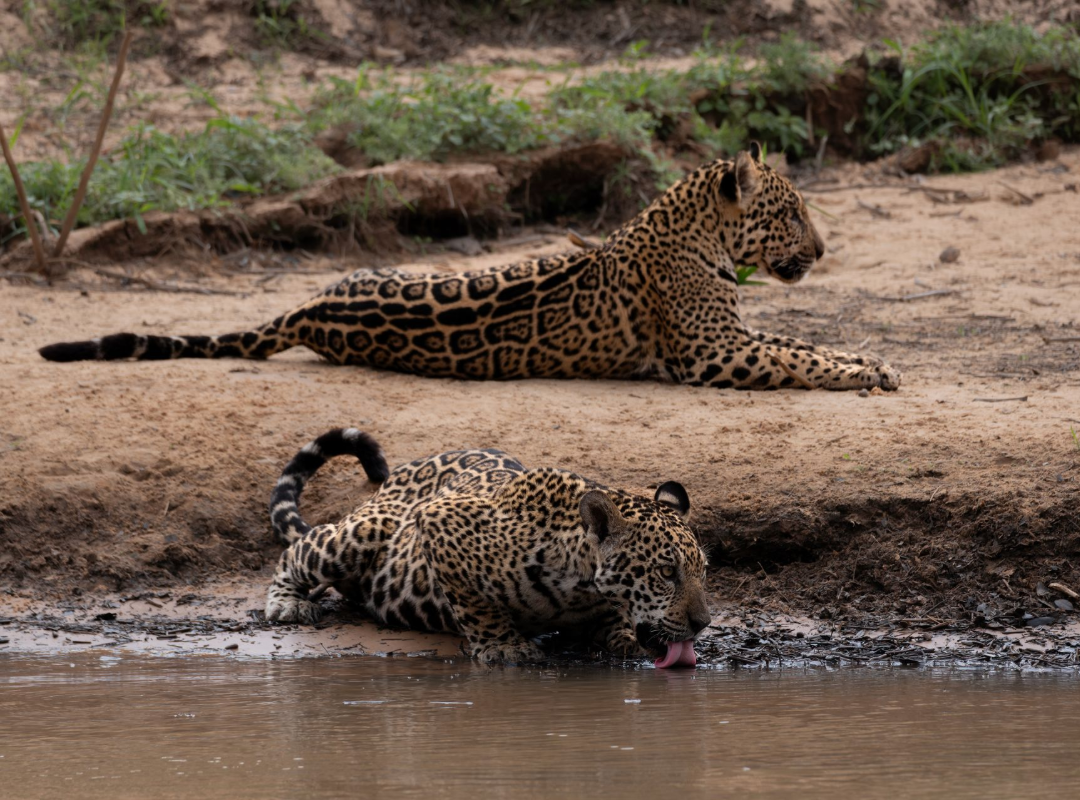
Jaguars of Pantanal
Amazon's Guiana Frontier - Mitu.
Emblematic Birds Photo Tour