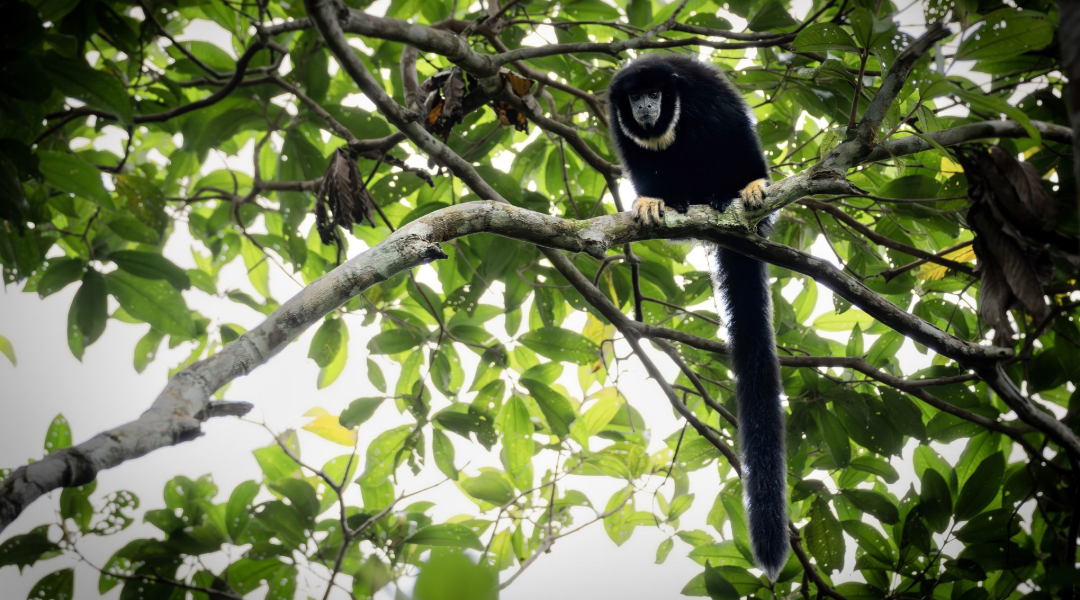

Wildlife Photography Fieldcraft: How to Read Habitat, Behavior, and Light
Preparing your next expedition.
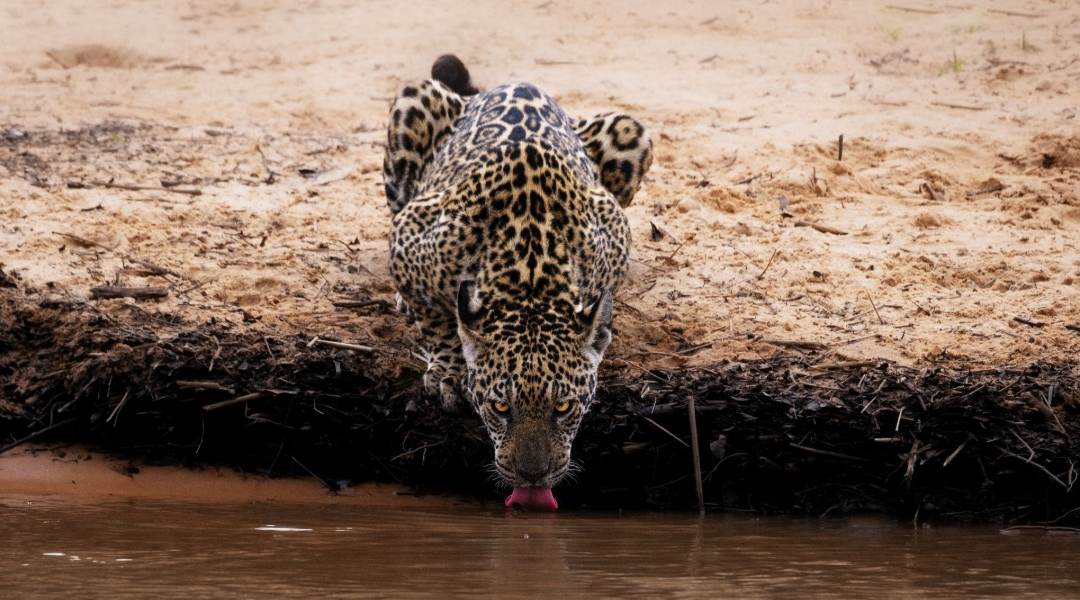
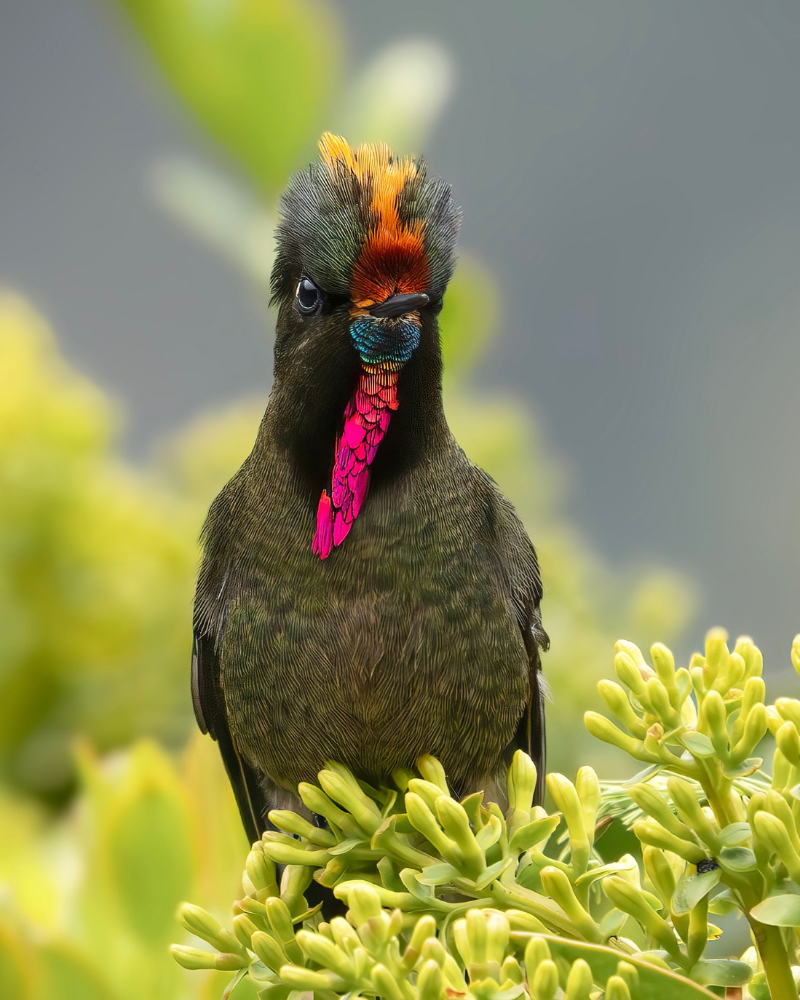
The best wildlife photographs are rarely made by chasing a subject. They come from arriving prepared, reading the habitat, and letting an animal keep doing what it was already doing. Whether you're waiting beneath an Andean forest canopy for a mixed flock, scanning a Pantanal riverbank for a jaguar, or watching hummingbirds defend a flowering shrub, the work starts long before the shutter fires.
For serious photographers, the reward is bigger than one sharp frame of a rare species. It's being present when the forest changes light, when a bird gives its alarm call, or when an elusive mammal finally steps out of cover. None of that can be forced. It's earned through fieldcraft, patience, and respect.
Wildlife Photography Starts With Fieldcraft
A long lens, fast autofocus, and clean high-ISO files are genuinely useful tools, but none of them replace the ability to anticipate behavior. A photographer who understands where an animal feeds, rests, travels, and watches for danger has a far better shot at a meaningful image than someone simply reacting to movement.
Start by studying your target species before you even leave home. Know its active hours, preferred elevation, likely food sources, and seasonal patterns. In Colombia, that might mean knowing a high-elevation tanager appears briefly at first light before clouds roll across the ridge, while a night bird needs a slow, quiet approach well after sunset. In the Pantanal, water levels and river travel shape almost every encounter you'll have.
Once you're actually in the field, pause before you set up. Check the direction of the light, what's behind your subject, and the route it's likely to take next. If a bird keeps returning to the same exposed perch, position yourself for that perch instead of chasing it branch to branch. If a mammal is working its way along a trail, give it room and let the scene develop on its own. Calmer animals and stronger compositions both follow from the same habit: slowing down.
Read Behavior Before You Move
Every species signals discomfort differently. A bird that freezes, calls repeatedly, or edges away is telling you your presence is affecting it. A mammal that changes direction, stares intently, or stops feeding deserves more distance, not less. No photograph is worth disrupting an animal's ability to eat, rest, breed, or care for its young.
Ethical wildlife photography also happens to be more productive photography. A relaxed subject behaves naturally, which is exactly what opens the door to feeding shots, courtship displays, interaction, flight, and environmental portraits. Push a subject too hard, and what you usually get is a tense frame with no real story behind it.
Prepare for the Conditions, Not Just the Species
Tropical fieldwork asks a lot of both photographer and equipment. Colombia alone holds extraordinary biodiversity across the Andes, Amazon, Caribbean lowlands, and Chocó — and each of those landscapes brings its own weather, roads, temperatures, and working conditions. A well-built itinerary plans around those realities instead of treating them as inconveniences to push through.
A 400mm lens or longer is often the foundation for bird and distant mammal photography, but it's not always the right call. In dense forest, a shorter telephoto can serve you better for close subjects, habitat scenes, and larger animals that show up at unexpectedly close range. A teleconverter adds reach in open country, but it costs light and can slow autofocus down in dim conditions — the right setup really does depend on the subject, the habitat, and how you like to work.
Bring weather protection you can deploy fast. Rain covers, dry bags, lens cloths, spare batteries, and a small towel can be the difference between continuing to shoot and losing a productive morning entirely. Humidity drains batteries and fogs front elements. Mountain temperatures swing quickly. Boat travel brings spray and vibration. Broken-in waterproof footwear and lightweight layers will usually serve you better than one heavy jacket.
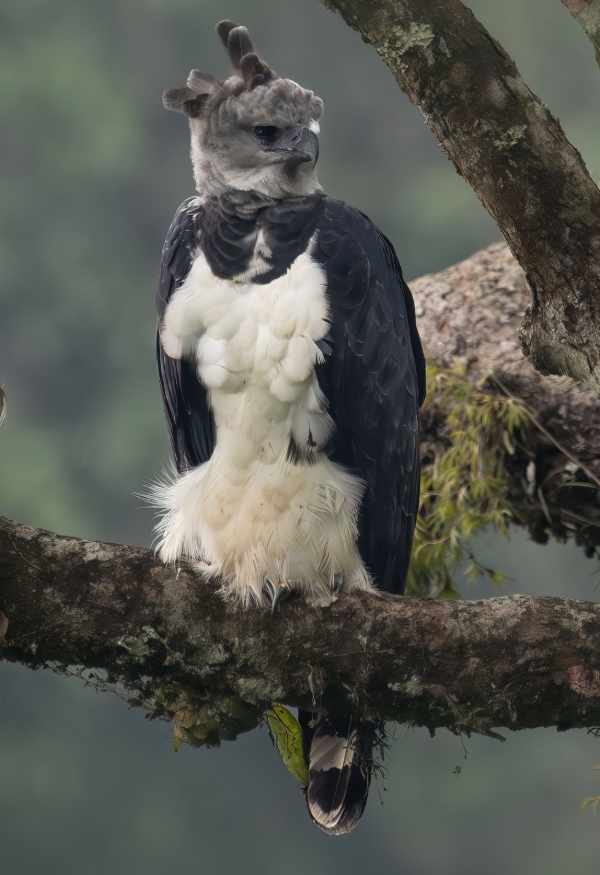
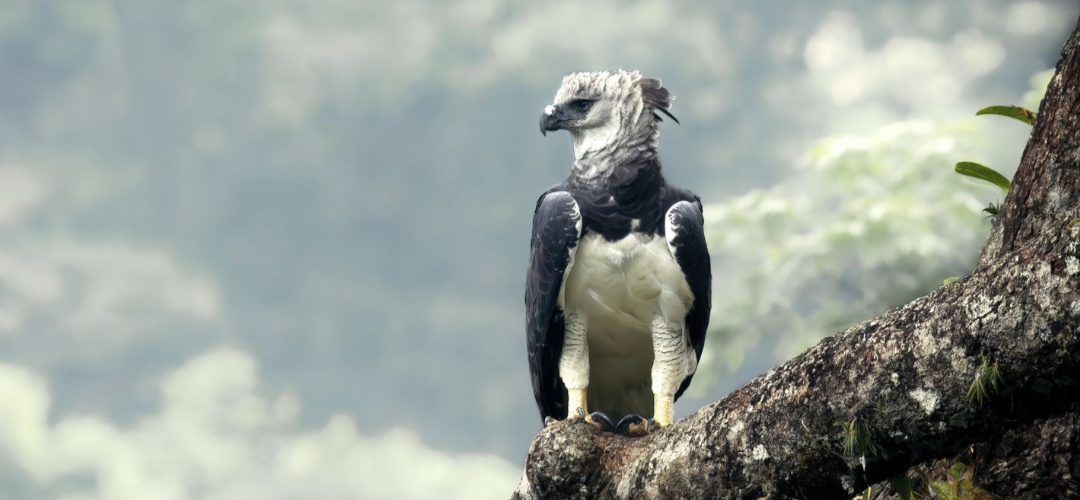
Let your camera settings follow the behavior you're actually hoping to capture. For perched birds, prioritize enough shutter speed to overcome long-lens movement while keeping ISO reasonable. For flight, action, or a running animal, shutter speed becomes the priority, full stop. Don't get so locked into technical perfection that you miss the encounter — a slightly noisy frame of a Harpy Eagle lifting off a hidden perch usually matters more than an empty frame shot at ideal settings.
Use Light as Part of the Story
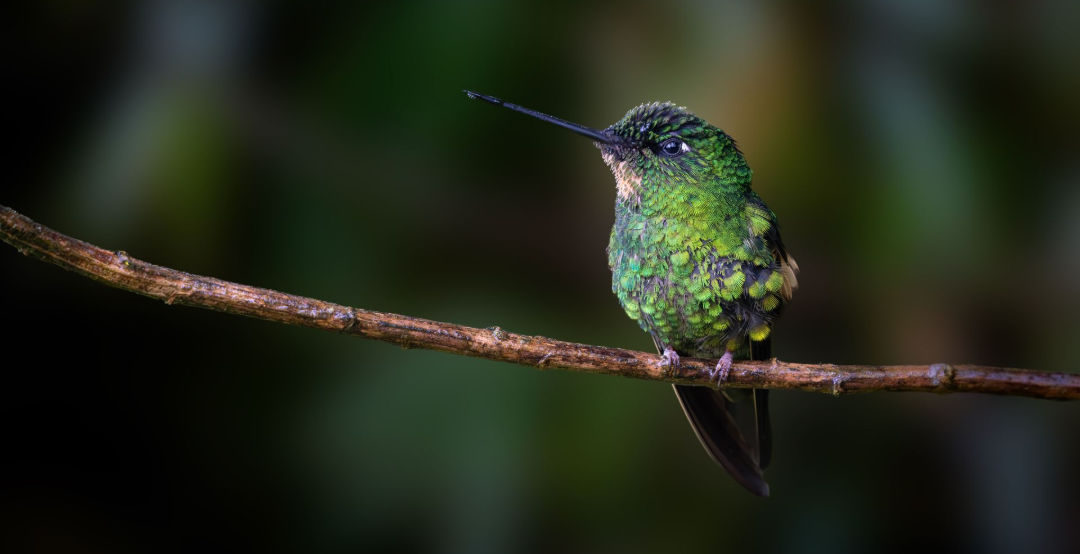
Wildlife images don't need golden light to work. Soft overcast skies can reveal feather detail in a hummingbird, soften harsh shadows on a monkey's face, and bring out saturated forest color. Mist can simplify a distant mountain background. Rain adds real atmosphere, as long as your gear is protected and you're working safely.
Direction still matters, though. Front light documents color and detail well, especially on bright birds. Side light reveals texture in fur, scales, bark, or feathers. Backlight can turn wings into stained glass or isolate a bird against glowing vegetation. When conditions get difficult, the better question is what they're offering you, not whether tomorrow will be better.
Backgrounds deserve just as much attention as light. A rare endemic bird against a cluttered tangle is still a valuable record, but a clean background, natural framing, or a glimpse of habitat can turn that same shot into a portfolio piece. Shift your angle by a few feet when you can — small moves like that can swap a distracting branch for soft green distance, or place your subject against darker shade.
Build Images Around Behavior and Place
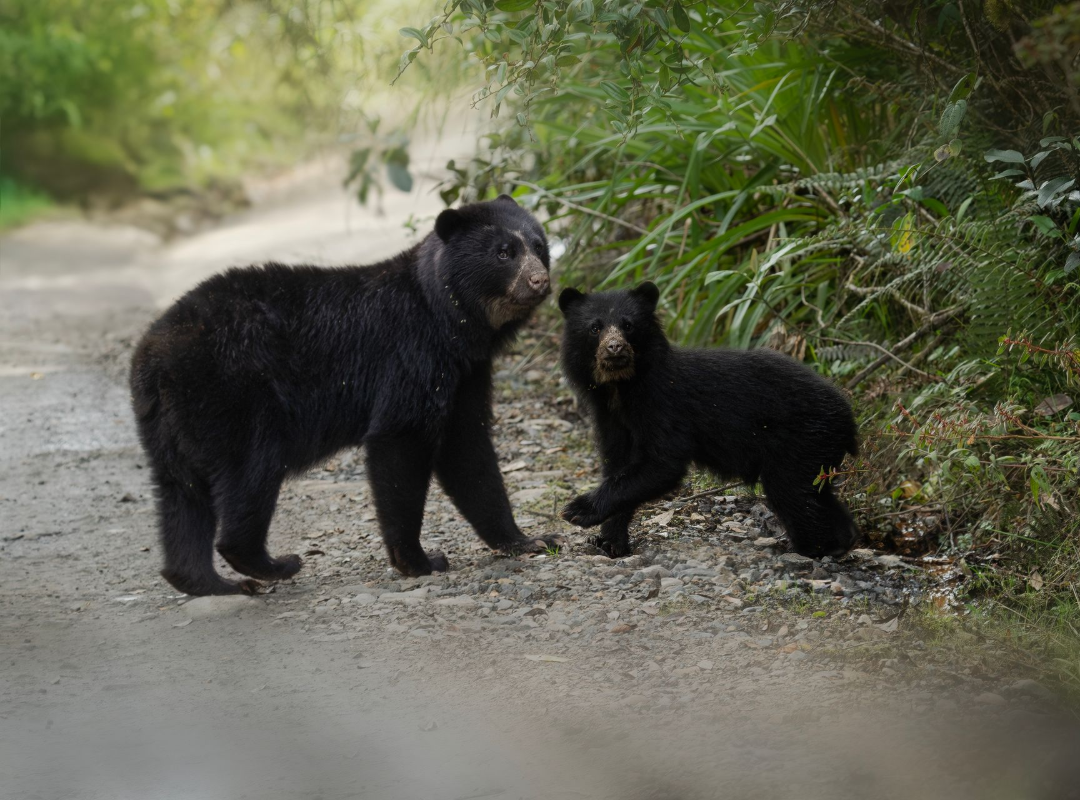
A close portrait has impact, but it's only one kind of wildlife photograph. A wider frame can show a Spectacled Bear moving through cloud forest, a kingfisher watching a river channel, or a macaw crossing an Amazonian canopy — images that give the viewer a real sense of scale, and a fuller conservation story besides.
Look for behavior that reveals character: a hummingbird's territorial display, an antbird following an army-ant swarm, a caiman holding perfectly still at the water's edge, a mother mammal checking on her young. Moments like that carry more emotional weight than a static pose ever will. Patience is usually the key ingredient — after you get the obvious shot, stay a little longer. The next minute often brings the gesture, the interaction, or the shift in light that actually elevates the frame.
It helps to work through several compositions without disturbing the animal at all: a clean portrait, then a vertical frame, then an environmental shot with foreground vegetation. Photograph with intention, but don't let a shot list blind you to what's actually unfolding in front of you.
Choose Access That Benefits Wildlife
Remote biodiversity isn't a backdrop waiting to be consumed. Many of the most rewarding wildlife areas exist today because local families, Indigenous communities, Afro-descendant communities, researchers, and rural landowners have worked to protect them. Responsible nature travel starts by recognizing that.
A well-planned photographic expedition supports conservation when it uses established access, respects local rules, employs local expertise, and channels real economic value toward the people who live alongside the wildlife. It also removes the temptation to crowd sensitive sites, bait unethically, use playback carelessly, or disrupt nesting activity for a closer shot.
This is exactly where specialized local guidance changes the experience. A strong guide knows not just where a target species might turn up, but when to wait, when to move on, and how to work respectfully around both communities and habitat. At Retorno Photo Tours, that local knowledge is the photographic opportunity — practical coordination buys you more time in the field, while biologists and regional experts add the context that makes each encounter richer.
Let Patience Set the Pace
Wildlife rarely follows a schedule, even on the most carefully organized trip. A hoped-for species might stay hidden while something entirely unexpected shows up at perfect range. Rain can delay activity for hours, then trigger a burst of feeding behavior all at once. The photographers who come home with the most memorable work are usually the ones staying alert to whatever shows up, rather than measuring every hour against a single target species.
Keep your camera ready, but keep your attention wider than the viewfinder. Listen to the forest. Watch where your guide is looking. Notice tracks, fruiting trees, insect activity, shifts in bird calls — these are the details that reveal the living system around you, and they usually point toward the next image before you'd otherwise see it coming.
Bring home photographs that show more than rarity. A frame made with care carries the energy of a place, the dignity of its wildlife, and the reason protecting it actually matters. That's a standard worth waiting for.
Frequently Asked Questions
What is fieldcraft in wildlife photography? Fieldcraft is the skill of anticipating animal behavior — knowing where a species feeds, rests, and travels — so you can position yourself calmly in the right place rather than chasing movement. It matters more than gear for getting close, natural-behavior images.
How do I know if I'm too close to a wild animal I'm photographing? Watch for signals like freezing, repeated alarm calls, a shift away from you, or abandoned feeding behavior. Any of these means the animal's normal behavior is already being affected, and the right response is to back off, not move closer.
What camera settings work best for wildlife photography in tropical forest? For perched subjects, prioritize a shutter speed fast enough to overcome long-lens movement while keeping ISO reasonable. For flight or fast action, shutter speed becomes the top priority. Modern cameras handle high ISO well, so a slightly noisy sharp frame beats a clean but blurred one.
Why does local guiding matter for ethical wildlife photography? A guide who knows a site's community, seasonal patterns, and individual animals can get you closer without causing stress, avoid disturbing nesting or breeding activity, and ensure your visit channels real economic value to the people protecting that habitat.
Ready to Put This Into Practice in the Field?
Every Retorno itinerary — Standard, Tailor-made, or fully Private — is built around the fieldcraft and local access that make ethical, close-range wildlife photography possible.
Scheduled Tours
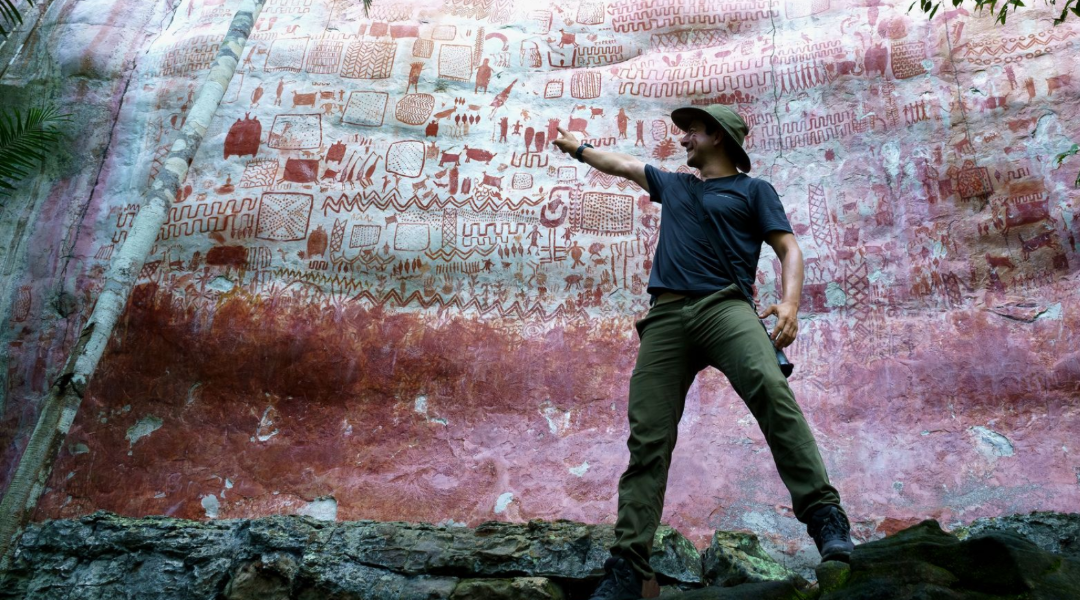
Western Amazon: Gateway to Chiribiquete.
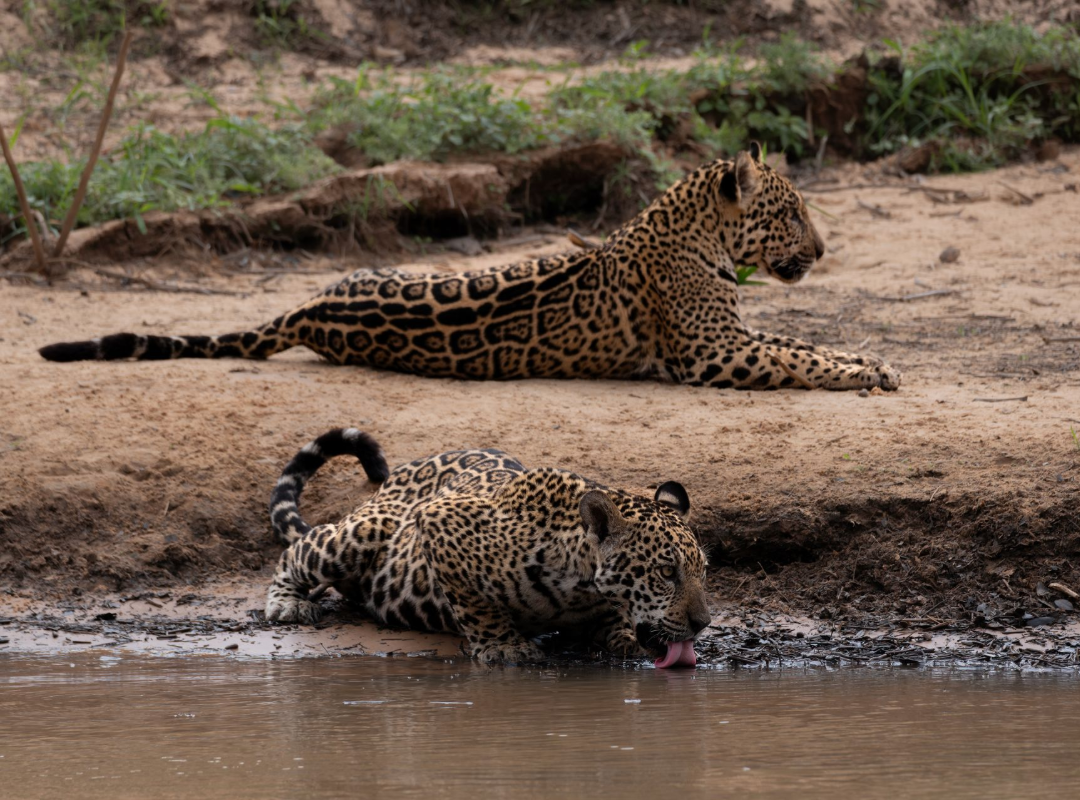
Jaguars of Pantanal
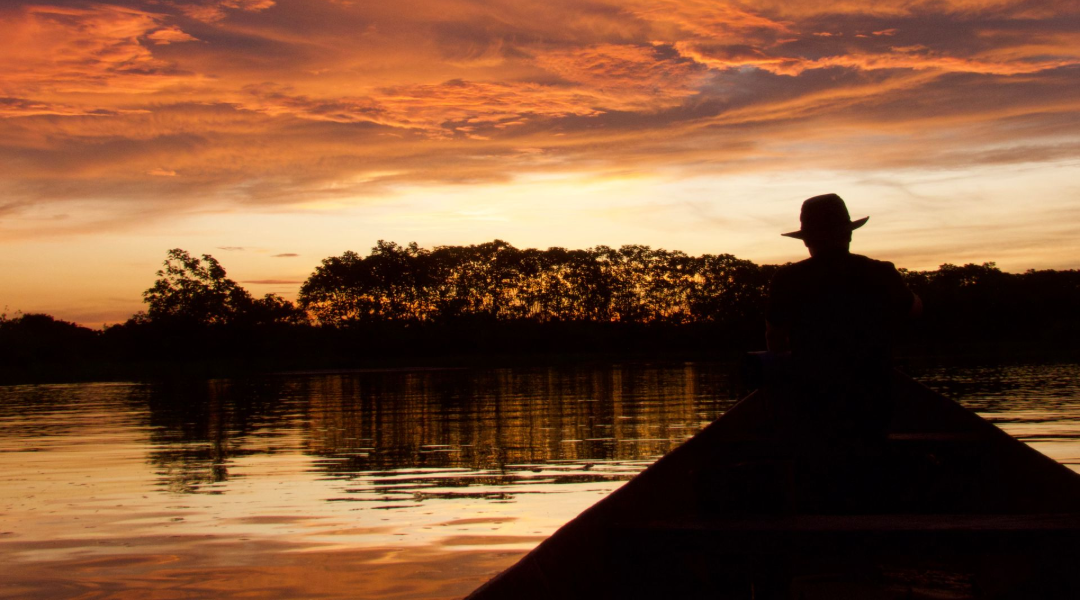
Amazon's Guiana Frontier - Mitu.
Emblematic Birds Photo Tour