
Glass Hides in Hungary vs. Natural Hides in Colombia
Which Style Fits You?
A European bee-eater dropping toward a perfectly still pool can look almost unreal through the glass walls of a Hungarian hide. In Colombia, the same morning might start with boots on a muddy forest trail, listening for wingbeats near a flowering shrub, or waiting quietly under the canopy for an Andean cock-of-the-rock. Two setups, two very different relationships with light, wildlife behavior, landscape, and time in the field.
Glass hides in Hungary favor control and technical precision: close, calm subjects and clean backgrounds. Colombia's natural hides and open-field photography favor patience and habitat: a wider, less predictable experience where the landscape stays visibly part of the image. Neither is automatically better. The right choice depends on the portfolio you want to build.
How Glass Hides in Hungary Work
Hungary is well known among wildlife photographers for specialized glass-fronted hides, often set at water level beside carefully managed pools. You sit inside a concealed structure and look through treated glass at birds arriving to drink, bathe, forage, or hunt. Subjects sit close, backgrounds are controlled, and reflections come easily in the right conditions. The result can be clean, polished images that are hard to get from an open blind.
The real advantage here is control. The hide cuts down movement and visual disturbance, which lets you work close with species that would otherwise stay well outside photographic range. A low camera position puts the lens at eye level with waders, songbirds, raptors, or mammals. A calm pool can throw a near-symmetrical reflection, and preselected perches let you refine your composition before the subject even arrives.
How Natural Hides in Colombia Work
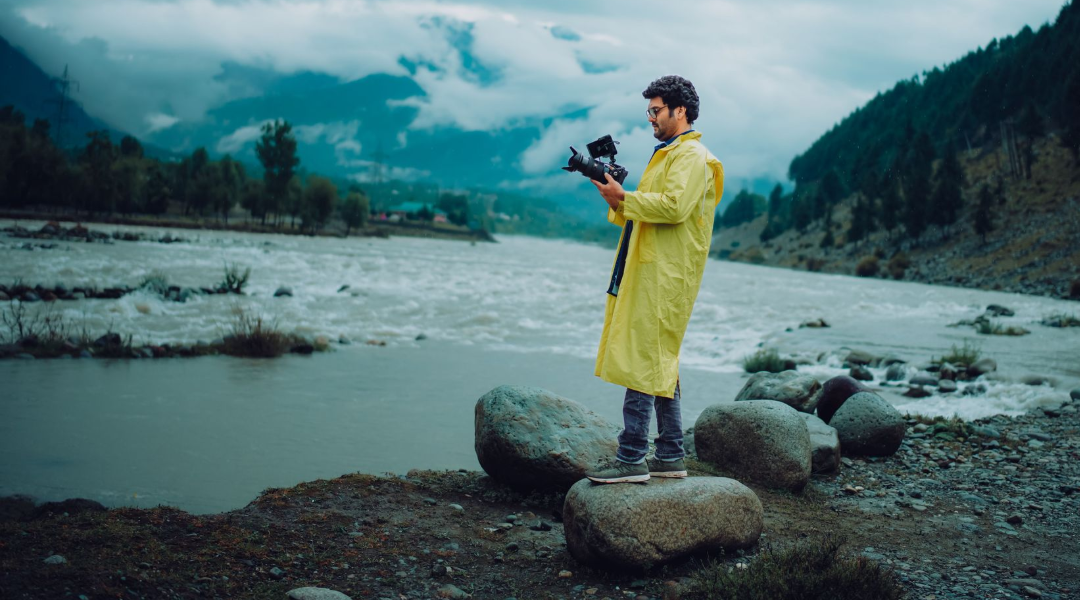
Colombia asks something different of the photographer. A "hide" here might be a simple blind at a fruiting tree, a viewing point near a hummingbird garden, a shelter overlooking a forest clearing, or a discreet spot near a feeding area a local landowner manages. Often there's no formal hide at all. The work happens from trails, vehicles, boats, forest edges, canopy towers, or patient, stationary waiting.
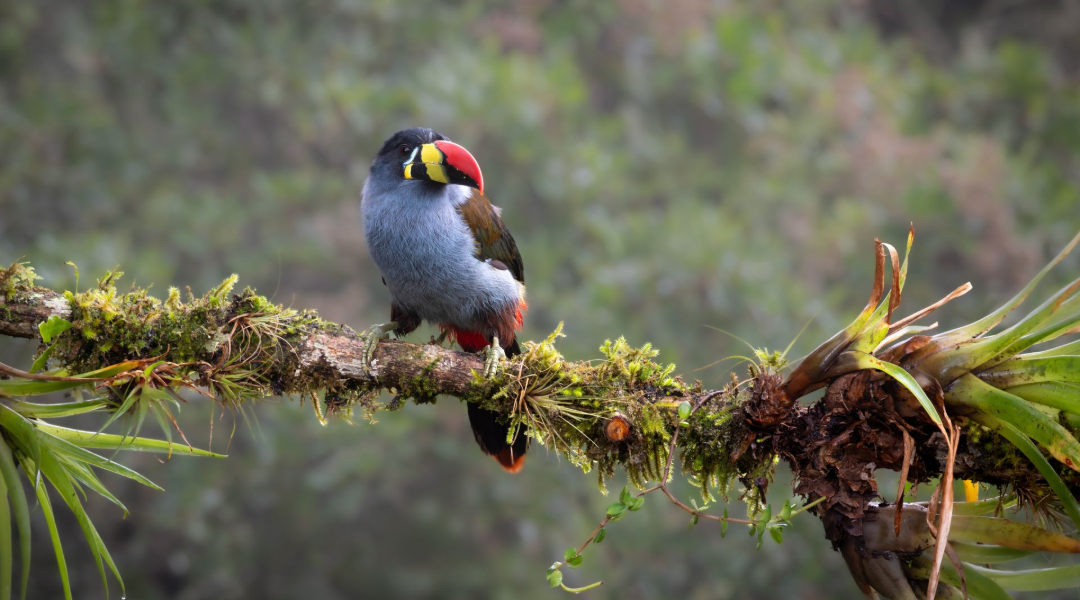
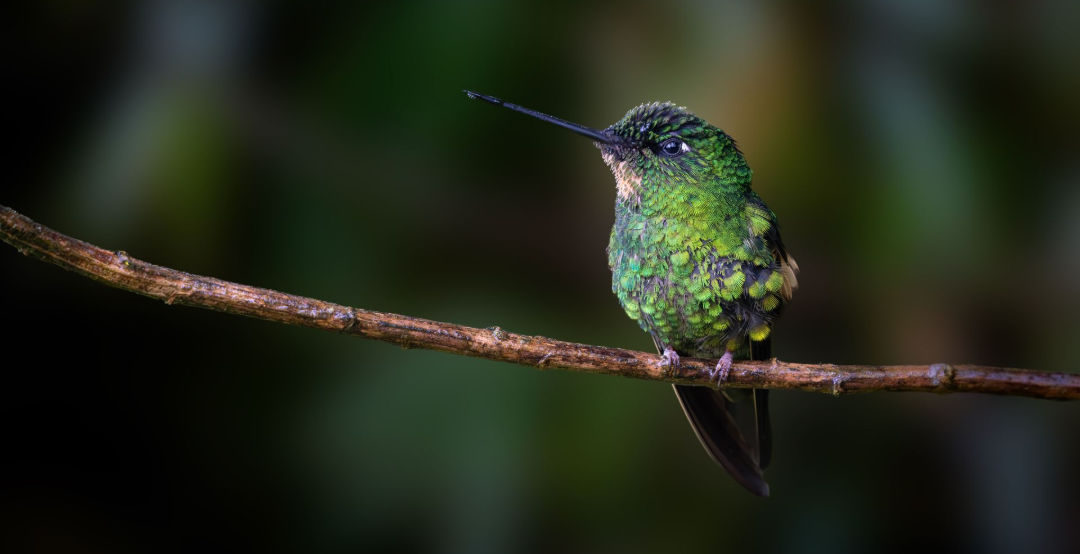
That's not a lesser version of hide photography. It's a field-based approach shaped by Colombia's range of habitats: cloud forest, páramo, dry forest, Chocó rainforest, Amazonian lowlands, Caribbean wetlands and the open Llanos. The setting tends to stay visible in the frame. A tanager belongs among bromeliads and mossy branches. A hummingbird gains something from the soft greens, mist,t and flowers of an Andean garden. A jabiru or capybara feels more alive photographed within the vast light and grassland of the Eastern Plains.
Precision Versus Discovery
A glass hide suits you well when the goal is a highly refined image of a familiar species. You might have time to work through shutter speed, exposure compensation, reflection placement, and exact framing without moving. The hide gives technique room to lead.
That doesn't mean the wildlife is scripted. Birds are still wild, weather still changes, and the best moments stay unpredictable. But you're working from a stable platform, which matters if you're chasing a specific style: low-angle portraits, clean backgrounds, wing splashes, reflection studies, behavior at water.
Natural hides and open-field photography in Colombia place greater emphasis on observation. You might hear a species before you see it, anticipate where a bird will land, learn a feeding circuit, or stay ready while a mixed flock moves through the canopy for only a few minutes. A subject can appear briefly, half-hidden, or in difficult light.
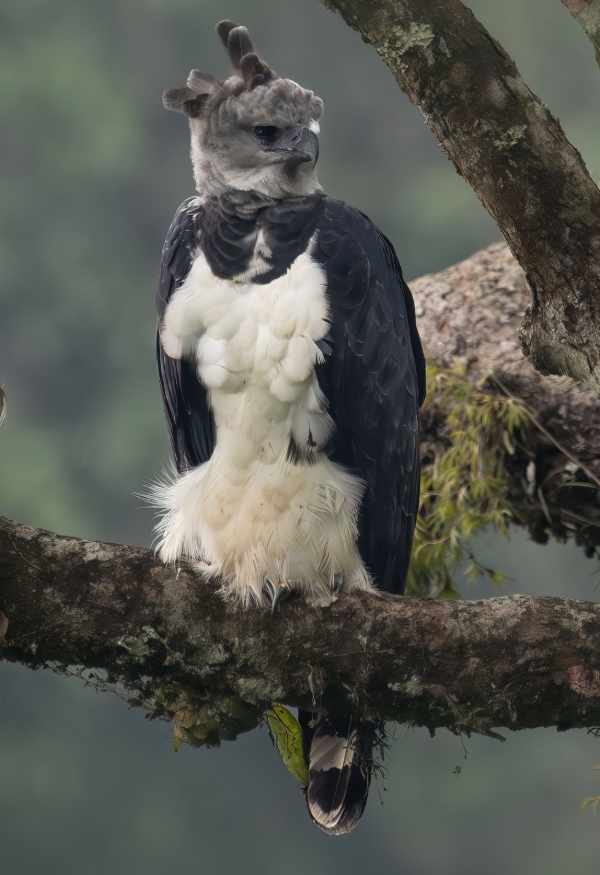
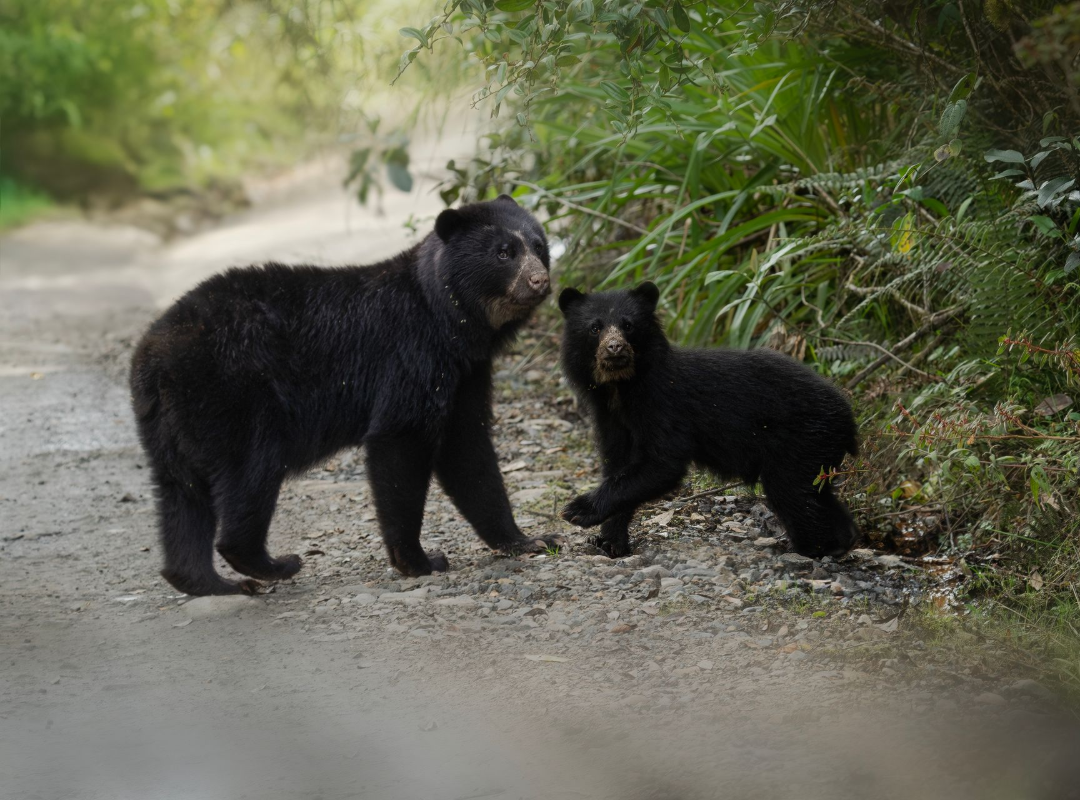
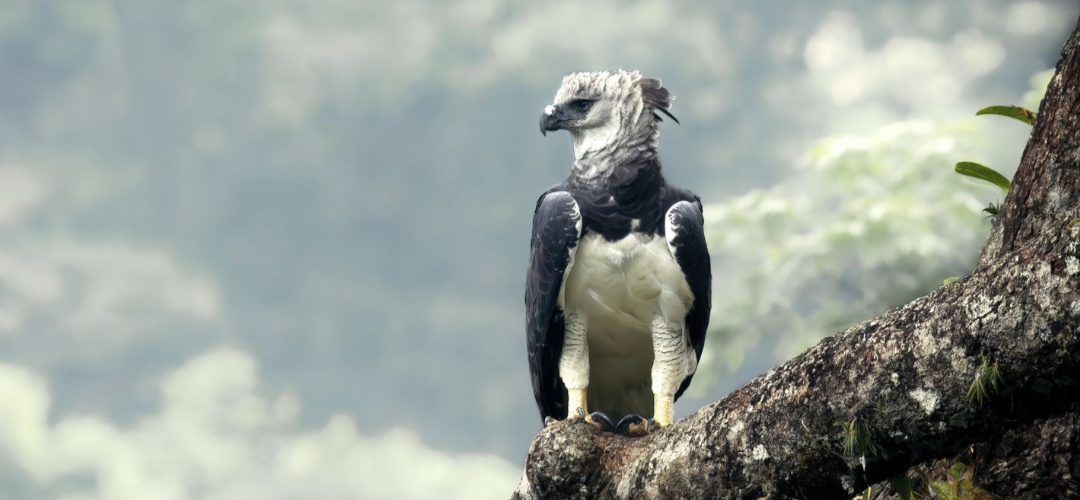
Those challenges are part of the reward. A photograph of a Santa Marta endemic, a rare Chocó bird, or a Harpy Eagle encounter carries the charge of a real discovery. Even in demanding conditions, the image can feel inseparable from the ecosystem around it. It tells a bigger story than a portrait alone.
What the Camera Needs From You
Glass-hide photography tends to favor fast lenses, careful low-light exposure, and a good read on reflective surfaces. Long focal lengths still help, but the distance to the subject can be shorter than expected. A 100-400mm or 200-500mm zoom is often more flexible than an extremely long prime when birds come right up to the pool's edge. A silent shutter mode helps too, though it's worth knowing that electronic shutters can distort fast-moving wings under certain lighting.
In Colombia, long telephoto reach usually matters more. A 400mm, 500mm, or 600mm lens, with or without a teleconverter, can make the difference when birds stay high in the canopy or mammals keep their distance. Flexibility counts just as much, though. Close-range action in a hummingbird garden favors a zoom. A long prime is often the better call in the Llanos or on a river. Rain protection, lens cloths, a comfortable strap or harness, and weather-ready clothing aren't optional extras in tropical field conditions.
The Ethical Question Is About Practice, Not Architecture
A glass hide isn't inherently unethical, and a natural hide isn't automatically ethical either. What matters is how a site is managed: whether wildlife is pressured or habituated in harmful ways, how food and water get used, and whether local people benefit from the activity.
Well-run hide operations limit disturbance, keep appropriate viewing distances, and avoid disrupting nesting, breeding, or resting behavior. A spectacular image is never worth repeated stress to an animal. The same standard holds in Colombia, where responsible photography needs particular care around nesting birds, lekking species, primates, large raptors and sensitive forest wildlife.
Natural-habitat photography can also carry real conservation weight when tourism supports the people protecting the land. A family maintaining a hummingbird garden, a rural reserve keeping forest intact around an endemic species, a local boat operator working carefully in wetland habitat: each has a direct stake in keeping wildlife alive and landscapes whole. Small-group, locally connected photography travel matters for exactly this reason. The image stays tied to the community and habitat that made it possible, and Retorno works with a network of 275+ local reserve owners across the country for that same reason.
A Different Kind of Immersion
Inside a glass hide, the experience is concentrated. You settle in, wait, and let a small stage of wild activity come to you. There's a real, quiet pleasure in watching water ripple, light shift, and a bird finally land exactly where you hoped it would.
In Colombia, immersion runs broader and less predictable. You might photograph before breakfast, cross a mountain pass, stop for an unexpected roadside bird, visit a community reserve, then end the day listening to frogs outside a remote lodge. The photography becomes part of a longer expedition through living landscapes and cultures.
For many photographers, that unpredictability is the whole point. Colombia is home to close to 1,900 bird species, roughly 18% of all species on Earth, including a striking concentration of endemics and regional specialties. No hide, however good, replaces the feeling of watching a new species emerge from the cloud forest, or of first light reaching the plains as the day's wildlife starts to move.
Choosing the Experience That Fits Your Portfolio
Pick a glass-hide experience when you want concentrated shooting time, reliable close-up perspectives, controlled backgrounds, and technically clean images of behavior around water or on perches. It's a strong setting for sharpening composition and building a cohesive set of finely finished portraits.
Pick Colombia's natural hides and field-based photography when you want biodiversity, habitat context, rare targets, and the satisfaction of working with real conditions as they come. Expect more variation in weather, terrain,n and shooting variables. In return, you get images with a real sense of place, from jewel-like Andean hummingbirds to iconic wildlife across the Llanos and Amazon.
Plenty of dedicated photographers end up wanting both eventually. Hungary can teach you the value of precision, patience, and light at eye level. Colombia tends to remind you that the most meaningful photographs often start before the subject even appears, with a guide listening to the forest, a community welcoming you onto its reserve, and the willingness to wait for nature on its own terms.
Frequently Asked Questions
What's the difference between a glass hide and a natural hide?
A glass hide is a concealed structure with a viewing window, usually set beside a managed pool, that puts you very close to wildlife with a controlled background. A natural hide is a simpler blind, viewing point, or open-field position in real habitat, where distance, weather, and cover change from one visit to the next.
Is photographing from a hide more ethical than shooting in the open?
Not automatically. Ethics comes down to how the site is managed, not the architecture. A glass hide can be used responsibly or carelessly, and the same is true of a natural hide or an open-field shoot, so it's worth asking how an operator handles disturbance, feeding, and viewing distance before you book.
What lens do I need for wildlife photography in Colombia?
A 400mm to 600mm lens, with or without a teleconverter, covers most situations where birds stay high in the canopy or mammals keep their distance. A shorter zoom, such as a 100-400mm, is worth having too for close-range action in hummingbird gardens.
Can I combine both styles on one trip?
Yes, and many photographers do exactly that over time. A hide-based trip to Hungary builds precision and comfort with technical setups, and a field-based trip to Colombia adds habitat context, rare species,s and a broader sense of place. The two skill sets complement each other well.
Which is better for a beginner, glass hides or natural hides?
Glass hides can be easier to start with, since the stable platform and close subjects simplify composition and exposure. Natural hides in Colombia ask more of a beginner in terms of patience and fieldcraft, though a good local guide narrows that gap considerably.
Plan Your Colombia Photography Trip
Retorno Photo Tours builds wildlife photography trips around field time, access to local reserves, and guides who know where and when to wait. Choose a fixed-departure Standard tour, a Tailor-made itinerary, or a fully Private departure.
Questions about gear, routes, or which format fits your group? Write to us at
dcasas@retornophototours.com.
Related reading: When Do Jaguars Hunt? Timing a Pantanal Sighting
Written by David Casas, founder of Retorno Photo Tours, wildlife photographer,r and licensed Birds and Wildlife Guide in Colombia (registration 007158).
Scheduled Tours
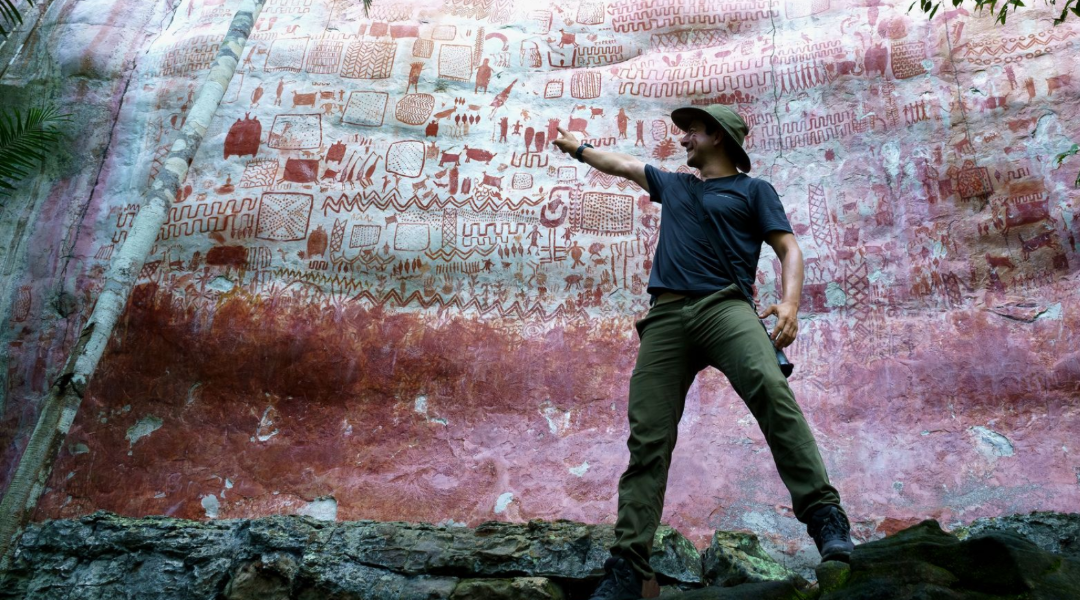
Western Amazon: Gateway to Chiribiquete.
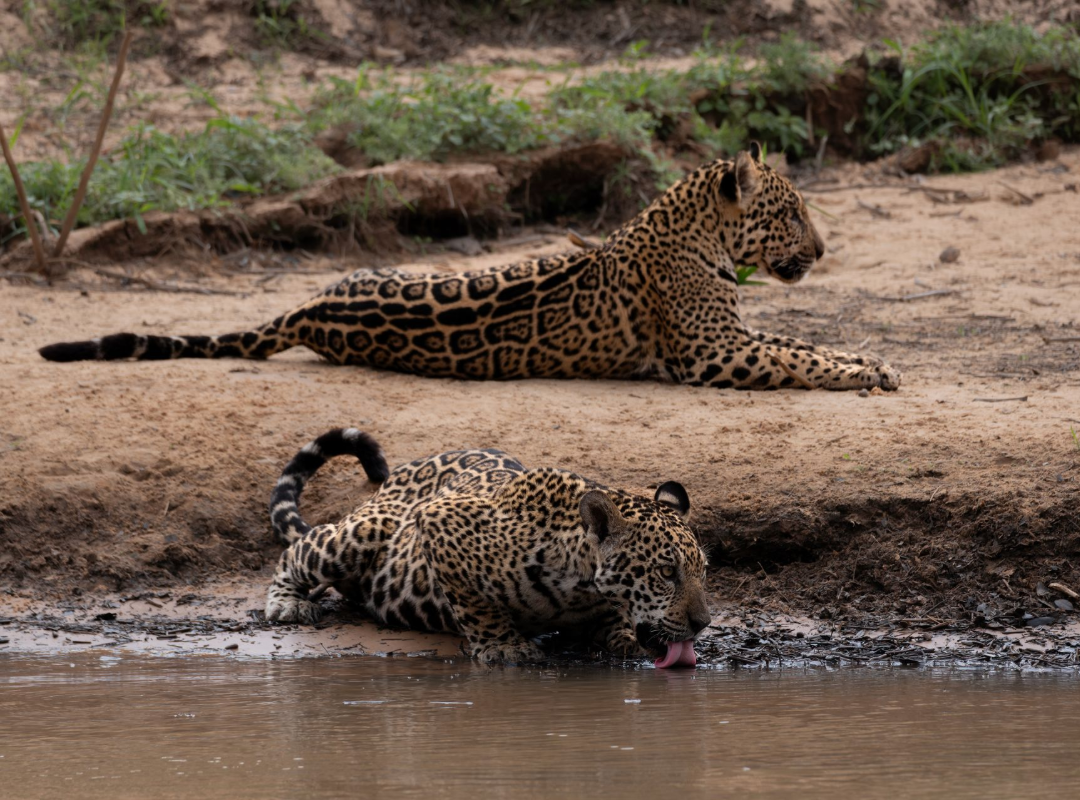
Jaguars of Pantanal
Amazon's Guiana Frontier - Mitu.
Emblematic Birds Photo Tour