
Jaguar Activity Times for Pantanal Photography
Jaguar Activity Times in the Pantanal: When to Actually Expect a Sighting
A jaguar can appear at 6:15 a.m. while river mist still hangs over the reeds, then vanish into dense shoreline cover before your camera bag is even fully zipped. It can just as easily step onto a sandbank at midday, exactly when most photographers assume the heat has shut the day down. Knowing jaguar activity patterns is genuinely useful — but it's a guide, never a guarantee. In the Pantanal, results come from pairing that biological knowledge with patient river time, skilled boat handling, and real respect for an animal that keeps its own schedule.
The short version: jaguars in the Pantanal are most reliably active around dawn and dusk, but the northern Pantanal's dry-season cats are unusually visible at almost any hour — which is exactly why the best jaguar photography days are built around staying ready, not around chasing a fixed window.
For wildlife photographers, that unpredictability is half the appeal. The Pantanal offers one of the world's best chances to photograph wild jaguars from a boat, often at close but responsible range — and every sighting here is unstaged, shaped by temperature, prey, water levels, recent weather, and the particular mood of the cat in front of you.
When Are Jaguars Most Active?
Jaguars are generally described as crepuscular — most active around dawn and dusk — and that holds true across much of their range. Low light tends to bring cooler conditions, moving prey, and a bit of cover as the landscape shifts between night and day.
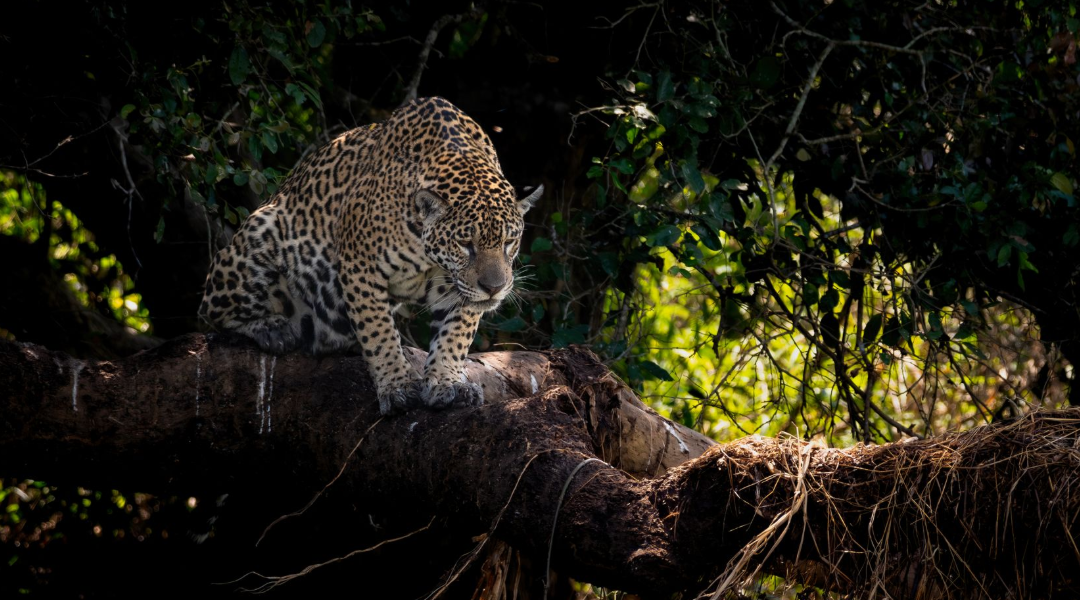
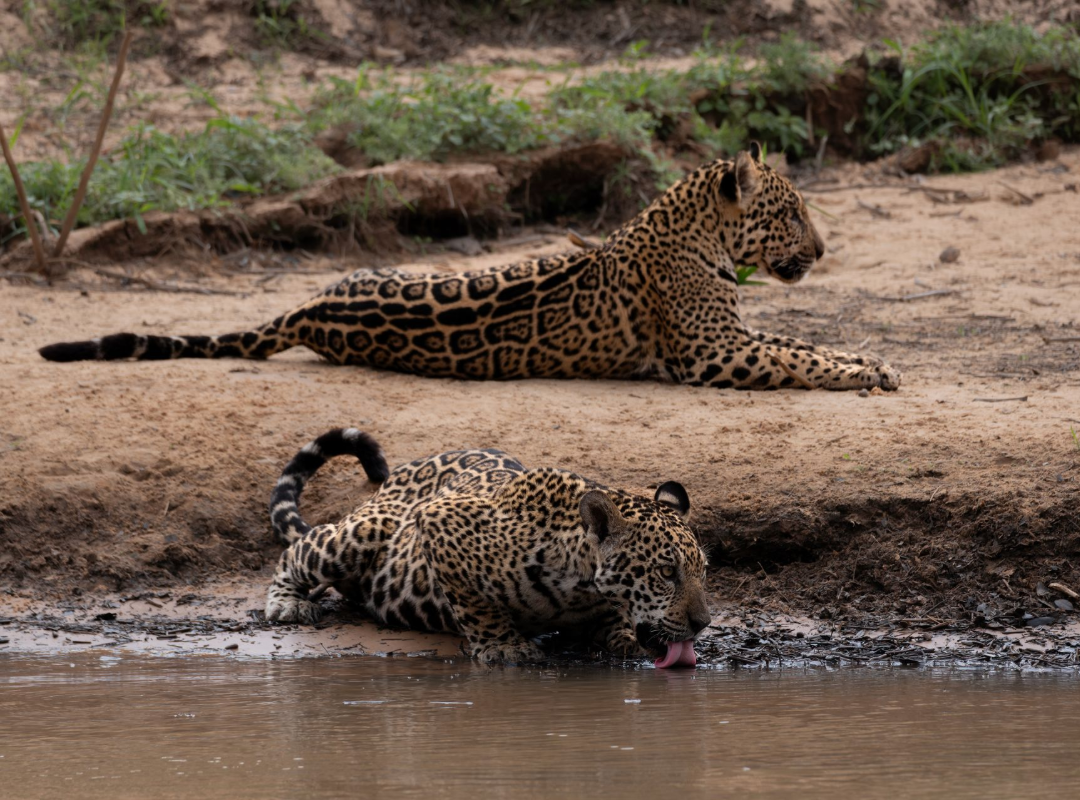
The northern Pantanal breaks that rule more often than you'd expect. During the dry season, when boat-based expeditions concentrate along rivers like the Cuiabá, Piquiri, and São Lourenço, jaguars can turn up at almost any hour. A cat resting in shade at 11:00 a.m. might rise, stretch, and walk the bank in full daylight. Another might swim a channel in late afternoon, or patrol a river edge minutes after sunrise.
That's the real reason to treat early morning and late afternoon as high-value windows rather than the only windows that matter. The hours in between regularly produce some of the most memorable behavior of a trip: a jaguar drinking, scent-marking, swimming, investigating a caiman, or crossing open grass with a completely unobstructed view.
Dawn: Soft Light and Moving Cats
First light is an excellent time to be on the water. Temperatures are lower, birdlife is active, and jaguars that spent the night moving through their territory may still be near open riverbanks. The light itself can be gentle enough for genuinely atmospheric portraits, especially where mist, reflections, and backlit vegetation add depth to the frame.
There's a practical trade-off, though: low light asks more of your camera settings, especially if a jaguar appears under foliage or starts walking toward the boat. A fast telephoto lens and confident high-ISO settings matter far more here than chasing the lowest possible ISO number. For a moving cat, prioritize the shutter speed you need to keep the eye and body sharp — everything else is secondary.
Midday: Don't Put the Camera Away
Midday heat slows things down, but it doesn't stop them. Jaguars still need to drink, shift between shaded resting spots, and respond to prey or territorial cues — and along the Pantanal's river corridors, those movements stay visible in ways they rarely would in dense forest.
Midday is also when it pays to watch behavior instead of just scanning banks. A guide who catches fresh tracks, alarm calls from capuchins, a sudden cluster of caiman, or a report radioed in from farther upriver can be the difference between drifting aimlessly and quietly positioning yourself somewhere productive. Patience through the hottest hours tends to pay off.
Photographically, harsh midday sun demands some adaptation. Look for jaguars stepping from shade into dappled light, clean reflections near the bank, or graphic compositions that set the cat's rosettes against pale sand. A bright river behind a dark animal can trick your exposure, so keep an eye on your highlights and be ready to dial in some compensation.
Late Afternoon: Movement, Warmth, and Golden Color
As the light softens, the river changes character. Birds return to exposed perches, capybaras gather near the water, and a resting jaguar may start to move again. Late afternoon is a favorite stretch for many photographers, combining real odds of activity with richer color and gentler contrast.
A jaguar walking a golden bank can be the frame that defines your whole trip — just don't get so locked onto warm light that you overlook everything else. An overcast afternoon can be just as valuable for portraits, detail shots, and scenes where the cat sits framed by lush vegetation. The best light, in the end, is whatever suits the behavior actually unfolding in front of you.
Jaguar Activity Changes With the Season
The Pantanal's seasonal rhythm drives almost everything about planning a trip. Jaguar photography tends to be strongest from July through October, the drier months, when receding water concentrates wildlife near accessible river channels. Sightings do happen outside that window, but logistical access and the reliability of boat-based encounters can vary more.
During the dry season, cats frequently use riverbanks as travel routes and resting spots, which makes them far easier to locate from the water — and caiman, capybara, and other prey stay tied closely to the same waterways. None of that guarantees a jaguar on command. What it does is put photographer and animal in the same broad corridor, far more often than in the wet season.
Exact timing within that window still shifts with rainfall — an unusually wet or dry year changes water levels, prey distribution, and which channels turn productive. This is exactly why a fixed calendar online is a weaker tool than guides and local boat teams reading actual river conditions, day by day.
What Shapes a Jaguar's Daily Routine?
A jaguar's schedule isn't set by the clock alone. Individual animals hold preferred territories, resting sites, and travel routes. A mother with cubs behaves differently than a large male on patrol. A cat that just made a kill may rest for an extended stretch, while another actively works a riverbank looking for its next opportunity.
Weather plays its own role. Cool, overcast mornings can stretch activity later into the day. After rain, cats may shift to different paths, and changing water levels can alter crossings and hunting grounds entirely. Heat pushes jaguars toward shade — but shade along a river is still visible from a carefully positioned boat.
Human pressure is the one factor photographers actually influence. Jaguars accustomed to responsibly managed boats tend to stay calm at a comfortable distance, while crowding, engine noise, sudden movement, or a boat cutting off a travel route can stress an animal and cut an encounter short. Ethical field practice isn't separate from good photography here — it's a direct reason the best opportunities keep happening, trip after trip.
How to Photograph Jaguars Without Chasing the Clock
Build your day around readiness, not a rigid belief that jaguars only show up at sunrise and sunset. Be on the boat before the first useful light, keep your gear within reach through midday, and stay alert until the last safe light fades. An encounter can go from a distant glimpse to a close walking sequence in a matter of seconds.
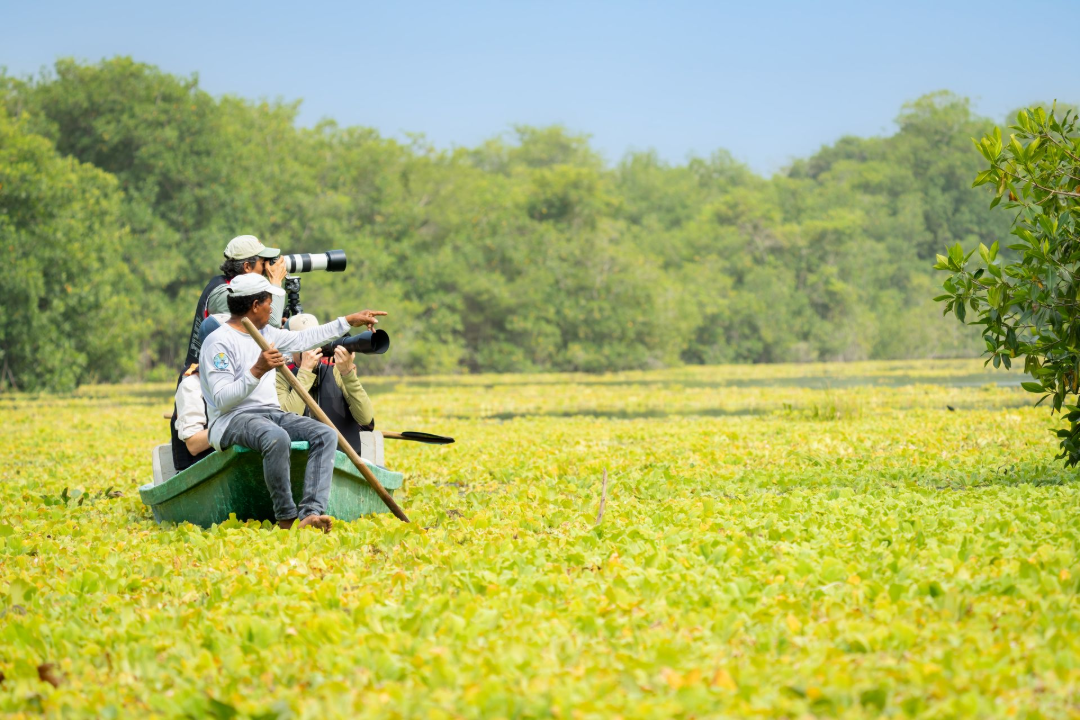
For most situations, a 400mm to 600mm lens gives you the reach for portraits and behavior while keeping a respectful working distance. A second body with a shorter telephoto is worth having for when a jaguar swims close to the boat, or when you want to bring in more of the habitat around it. Pack rain protection, a dry bag, spare batteries, and a lens cloth — river humidity, spray, and sudden showers are simply part of the experience out here.
Just as important: let the guide and boat operator manage positioning. Never ask to approach a jaguar on foot, block its route, or surround it with boats. A calm approach, a quiet engine, and enough room for the animal to choose its own direction consistently produce more natural behavior — and a stronger frame. The image reads better when the jaguar looks like it owns the riverbank, because out here, it does.
Plan for Time, Not Just Sightings
A short visit can get lucky, but jaguar photography genuinely rewards multiple days on the water. More time means more chances at different light, weather, individual cats, and behavior — and it takes off the pressure that pushes photographers to rush an encounter that deserves patience instead.
A well-coordinated Pantanal expedition balances early departures with enough rest to keep you sharp through long, hot days, and it runs on local teams who know the channels, the seasonal shifts, and what responsible viewing actually looks like on the water. At Retorno Photo Tours, the goal was never just finding a jaguar — it's building the field conditions that let you photograph one with patience, confidence, and respect.
Bring the right lens, keep your camera ready through the quiet hours, and leave room in the plan for surprise. The next movement on a distant bank might come at dawn, at noon, or in the last wash of afternoon light.
Frequently Asked Questions
What time of day are jaguars most active in the Pantanal? Dawn and dusk are generally the strongest windows, but in the northern Pantanal's dry season, jaguars are unusually active at almost any hour — including full midday — because river corridors keep their movements visible even in bright light.
What is the best season for jaguar photography in the Pantanal? The dry season, roughly July through October, is the most reliable window. Receding water concentrates jaguars and their prey near accessible river channels, though the exact timing within that window shifts year to year with rainfall.
What camera gear do you need to photograph jaguars from a boat? A 400mm to 600mm lens is the standard recommendation, giving enough reach for portraits and behavior while keeping a respectful distance. A second body with a shorter telephoto helps for closer encounters or wider habitat shots, and rain protection is essential year-round.
Are jaguar sightings guaranteed on a Pantanal photography trip? No responsible operator can guarantee a specific sighting — jaguars follow their own schedule, shaped by weather, prey, and individual behavior. What a well-run expedition can guarantee is time in the right river corridors, at the right hours, with guides who read daily conditions rather than a fixed calendar.
Ready to Photograph Jaguars in the Pantanal?
Our expeditions are built around field time and local river knowledge — early departures, patient boat positioning, and a pace that respects both the wildlife and the people who watch these waterways every day.
Scheduled Tours
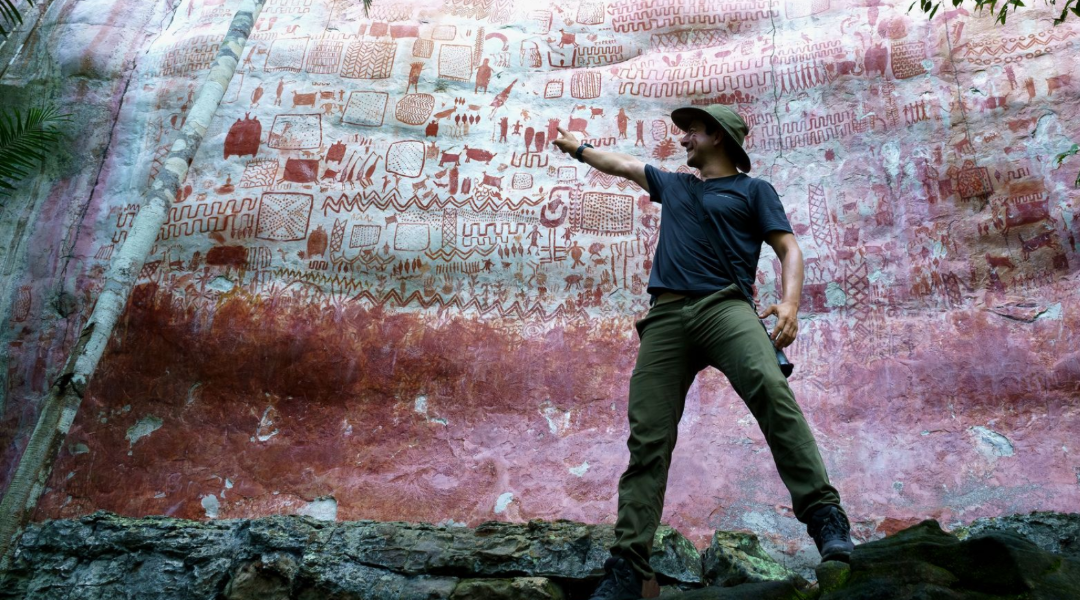
Western Amazon: Gateway to Chiribiquete.
Jaguars of Pantanal
Amazon's Guiana Frontier - Mitu.
Emblematic Birds Photo Tour