
Spectacled Bear Photography in Colombia’s Andes
Spectacled Bear in Colombia, the best place to catch a good photo.
A dark shape moves through high Andean vegetation, pauses beneath a bromeliad-covered tree, and turns just enough for the pale markings around its eyes to catch the light. For a wildlife photographer, a Spectacled Bear encounter is not simply a bear sighting. It is the rare chance to photograph South America’s only native bear in one of the continent’s most dramatic mountain landscapes.
The species is elusive, intelligent, and strongly tied to changing food sources across a vast and rugged range. That is precisely what makes a well-planned bear expedition so rewarding. Great images are possible, but they come through local knowledge, careful positioning, appropriate equipment, and patience with a wild animal that always sets the schedule.
Why the Spectacled Bear is a photographer’s dream
Also known as the Andean bear, the Spectacled Bear is immediately recognizable for the cream or buff markings that can frame the eyes, muzzle, forehead, and throat. No two patterns are identical. Some bears have bold, mask-like markings, while others show only faint pale patches. Against black or deep brown fur, that individuality gives every portrait real character.
The setting is part of the story. In Colombia, bears may use cloud forest, high-elevation forest edges, páramo, and productive agricultural mosaics near protected habitat. Photographers can work with mist rolling across ridges, layers of mountain forest, giant leaves, flowering plants, and soft Andean light. A tight facial portrait can be powerful, but a wider image that places a bear in its habitat often says more about the species and the pressures it faces.
This is not a predator-focused safari experience. Spectacled Bears are largely vegetarian, feeding on fruits, bromeliads, palms, and other plant material, although their diet changes with place and season. Their behavior is often deliberate rather than dramatic: climbing, pulling vegetation apart, feeding, scent-marking, resting, then slipping quietly back into cover. The reward is in watching closely enough to anticipate those small, authentic moments.
Where bear photography becomes possible
A bear’s range is not the same thing as a reliable photography location. The Andes are immense, and a promising-looking forest can hold bears that are almost impossible to observe. Productive expeditions depend on local monitoring, landowner relationships, seasonal knowledge, and sites where bears are known to move through visible habitat without being pressured.
In Colombia, the best opportunities are generally associated with Andean landscapes where forest remains connected and local communities have a reason to protect wildlife. Some locations offer observation points or carefully managed hides; others involve patient scanning of slopes, forest clearings, and feeding areas. Each approach has a trade-off. A hide can create a more controlled photographic position and reduce disturbance, while open-field observation may deliver more environmental images but requires faster reactions and a greater tolerance for changing distances.
No ethical operator should promise a wild bear on command. Wildlife sightings always depend on behavior, weather, food availability, and luck. What expert planning can do is dramatically improve the odds by placing photographers in the right habitat at the right time, with field teams that understand current activity and can adapt without compromising the animals’ welfare.
Timing a Spectacled Bear photography trip
There is no single national “bear season” that applies across Colombia. Rainfall, fruiting cycles, elevation, and local weather patterns vary from one Andean region to another. A period that is productive at one site may be less favorable elsewhere, which is why a trip should be built around current local conditions rather than a generic calendar.
For photography, weather matters as much as bear movement. Cloud forest light can be beautiful but demanding: bright overcast skies, fog, drizzle, and sudden contrast are normal. Early morning and late afternoon often bring the most flattering light, while mist can add depth and mood to a habitat image. It can also reduce autofocus performance and flatten a distant subject, so expectations should be shaped around the kind of work you want to make.
If your priority is a clean, frame-filling portrait, a known observation site may be the best fit. If you are building a portfolio centered on behavior and conservation storytelling, allow more time for landscape, weather, and unscripted encounters. The strongest itineraries often leave room for both.
Equipment for bears in mountain conditions
A 400mm or longer lens is the foundation for most Spectacled Bear photography. Bears must be photographed from a respectful distance, and their dense habitat often means that an animal appears briefly or farther away than expected. A 500mm, 600mm, or 200-600mm zoom gives welcome reach, while a 100-400mm can be especially useful when a bear approaches closer at a hide or moves through more open terrain.
Bring a second body if you have one. Pairing a long lens with a mid-range zoom such as a 24-70mm or 70-200mm lets you switch quickly from a bear portrait to a wide habitat composition without exposing gear to moisture. A sturdy tripod with a gimbal head is ideal for extended waiting periods, although a monopod can be more practical where space is limited or positions change frequently.
Colombian mountain weather is hard on equipment. Pack a rain cover, lens cloths, spare batteries, and a dry bag or protective case. Humidity and cool mornings can cause condensation when moving between vehicles, lodging, and field sites. Let gear acclimate when possible rather than immediately opening a cold camera bag in warm, wet air.
High ISO performance matters more than many photographers expect. Do not sacrifice a sharp eye and a natural feeding gesture while chasing an unrealistically low ISO in dim forest. Modern noise reduction can help later; motion blur from a slow shutter speed usually cannot.
Field behavior that protects the encounter
A successful bear image should never come at the cost of a bear changing its natural behavior. Keep voices low, follow the guide’s positioning instructions, and avoid crowding trails or feeding areas. If a bear looks repeatedly toward people, stops feeding, retreats, or changes direction because of your presence, the distance or angle needs to change.
Never attempt to approach a bear for a closer frame. Long lenses exist for a reason. Bears are powerful wild animals, and close encounters are not only risky but can also condition wildlife to people in ways that harm future conservation efforts.
Ask direct questions about site practices before booking. How are observation areas managed? What limits are placed on group size and time in the field? Are local residents employed and benefiting from wildlife tourism? Ethical photography is not a marketing label. It is visible in the decisions made when no bear is in front of the camera.
At Retorno Photo Tours, that local perspective is central to expedition planning. Working with knowledgeable regional guides and community partners helps photographers spend more time in productive habitat while supporting the people whose stewardship keeps these mountain landscapes alive.
Photograph more than the face
It is easy to become fixed on the classic head-on portrait, especially when the facial markings are so distinctive. But bears offer a richer visual story. Watch for a paw pulling apart vegetation, a nose lifted to test the air, fur beaded with rain, or a silhouette moving along a forested ridge. These frames reveal how the animal lives.
Use the environment intentionally. When a bear is distant, resist cropping every image tightly. Include the steep slope, dense forest, or patchwork of human land use when it adds context. Such images can carry greater conservation weight than a technically perfect close-up because they show the bear as part of a living, contested landscape.
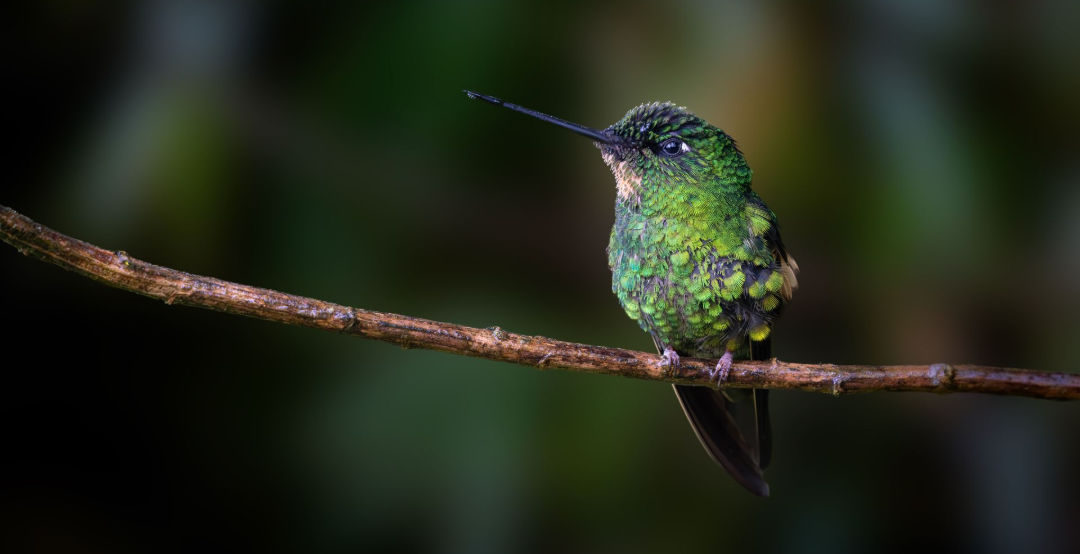
Be ready for quiet stretches. A long wait is not wasted time in the Andes. Photograph orchids, hummingbirds, cloud layers, and the textures of páramo while remaining prepared for the moment a dark figure steps from cover. The best bear expeditions reward photographers who arrive with ambition, leave space for uncertainty, and recognize that patience is part of the photograph.
Scheduled Tours
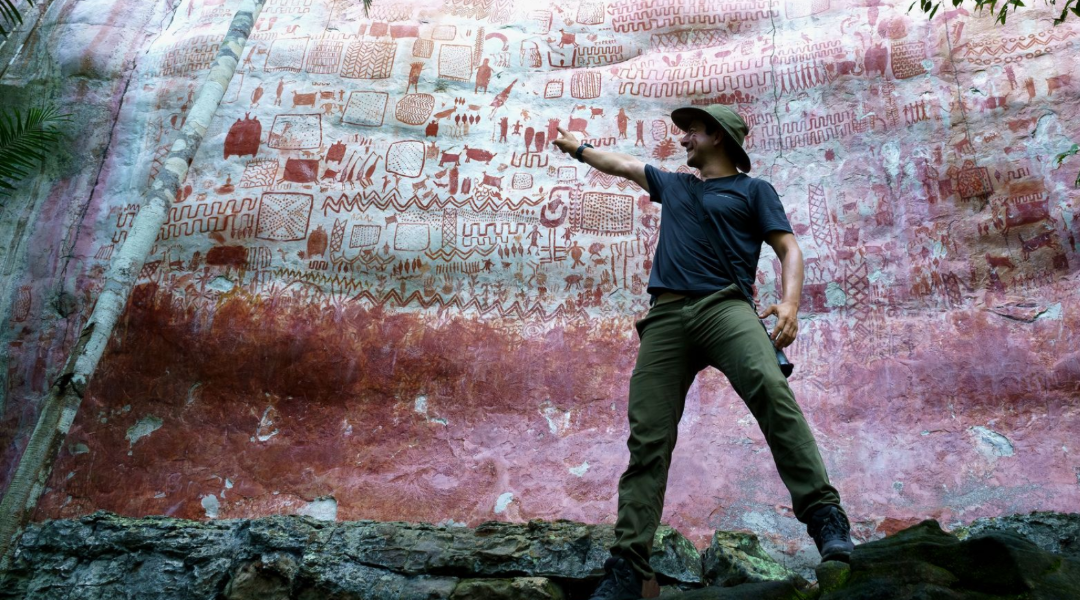
Western Amazon: Gateway to Chiribiquete.
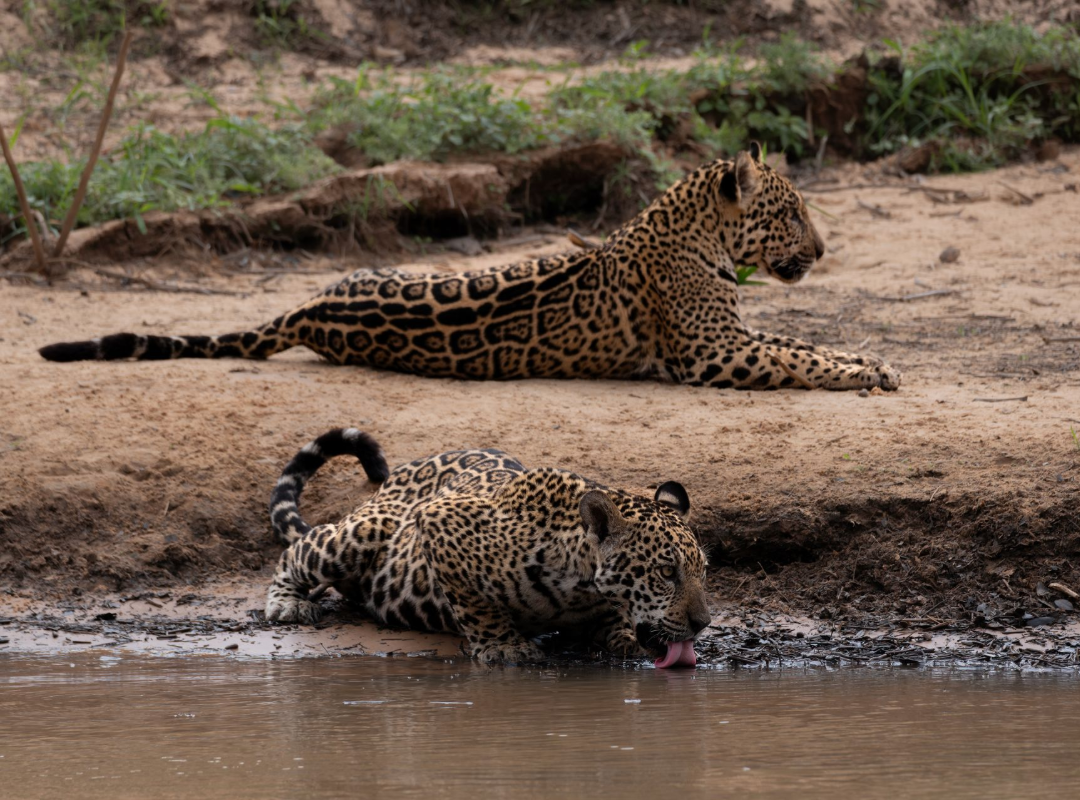
Jaguars of Pantanal
Amazon's Guiana Frontier - Mitu.
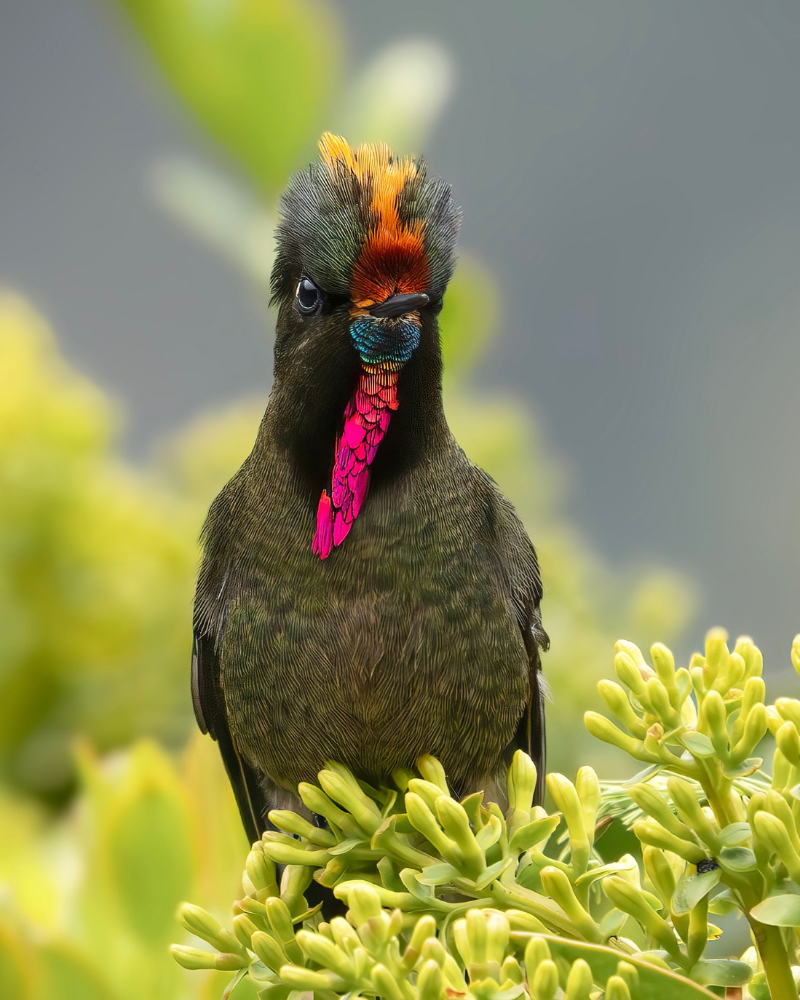
Emblematic Birds Photo Tour