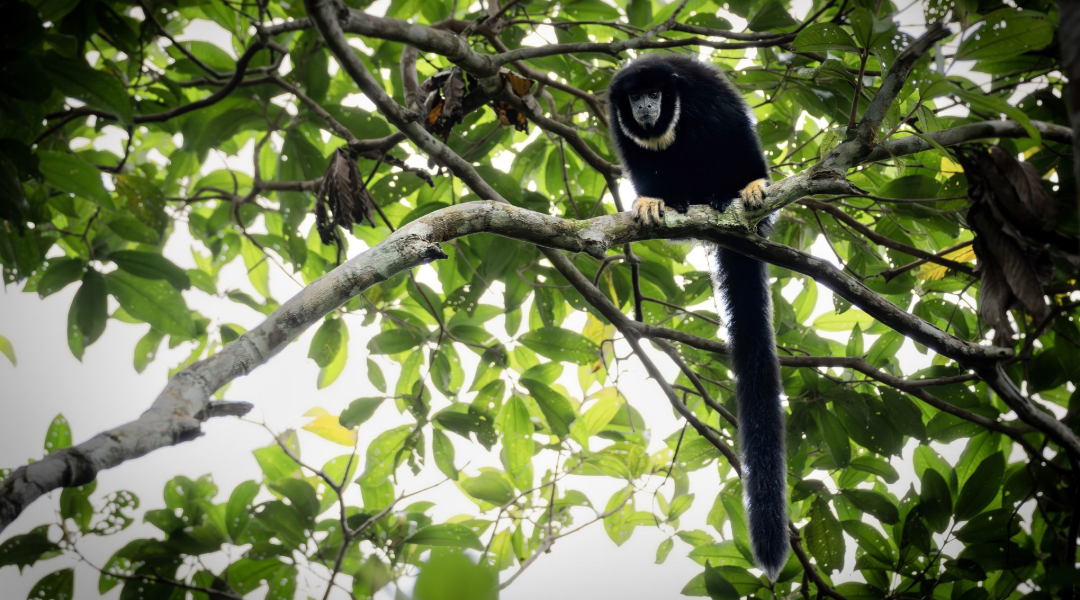

Conservation Travel That Protects What You Photograph
Endemic Birds from Colombia
A great endemic bird itinerary is not a race to collect the most names on a checklist. For photographers, it is a carefully paced route built around light, altitude, behavior, access, and enough time with each priority species to create images worth bringing home. Colombia holds an exceptional concentration of endemic birds, but those birds are distributed across sharply different landscapes. The itinerary that works for a fast-moving birder can be frustratingly thin for a photographer carrying a 600mm lens, tripod, flash setup, and high expectations.
Start Your Endemic Bird Itinerary With Priorities
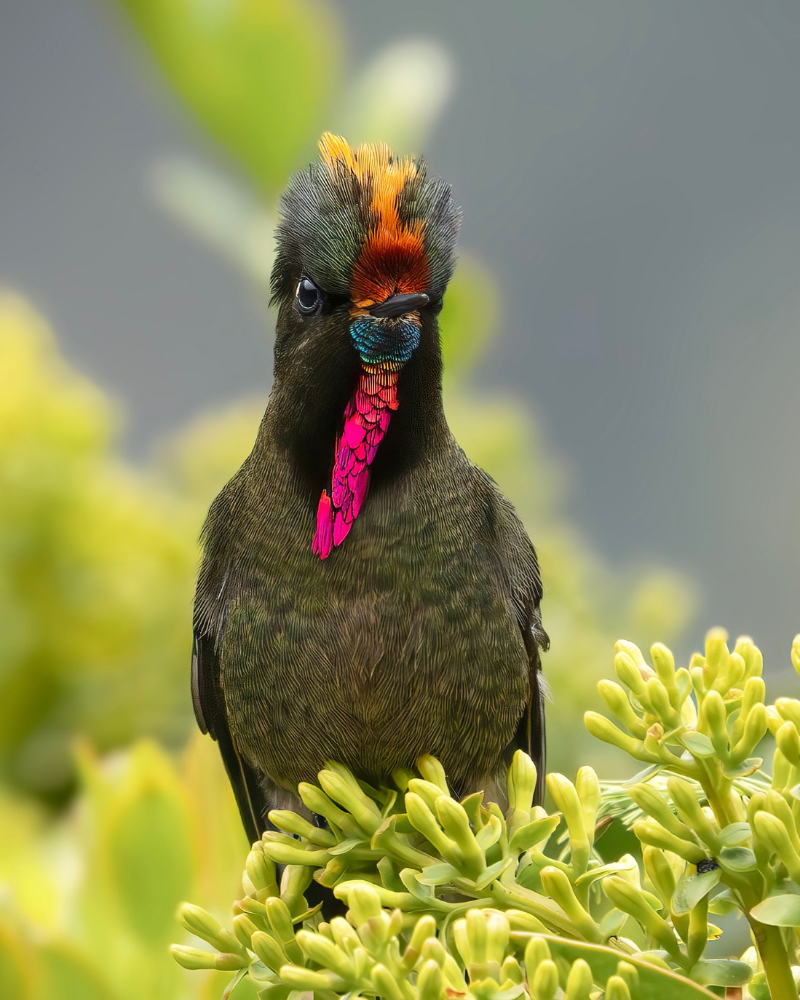
The first decision is not where to fly. It is which birds matter most to you. Colombia has more than 80 species considered endemic, plus many near-endemics and localized specialties that can be equally compelling photographically. A tour designed around the Santa Marta Parakeet, White-mantled Barbet, and Santa Marta Wren will look very different from one focused on the Fuertes's Parrot, Black Inca, Antioquia Wren, or Gorgeted Puffleg.
Choose five to eight primary targets rather than building an impossible wish list. Then separate them into three categories: birds you want a portfolio image of, birds you would be happy to observe or document, and species that are a welcome bonus. This protects the rhythm of the trip. A single cooperative endemic at a feeder, flowering shrub, lek, or known perch can justify several hours of patience. Leaving too early to chase another distant species often produces a long list and few satisfying photographs.
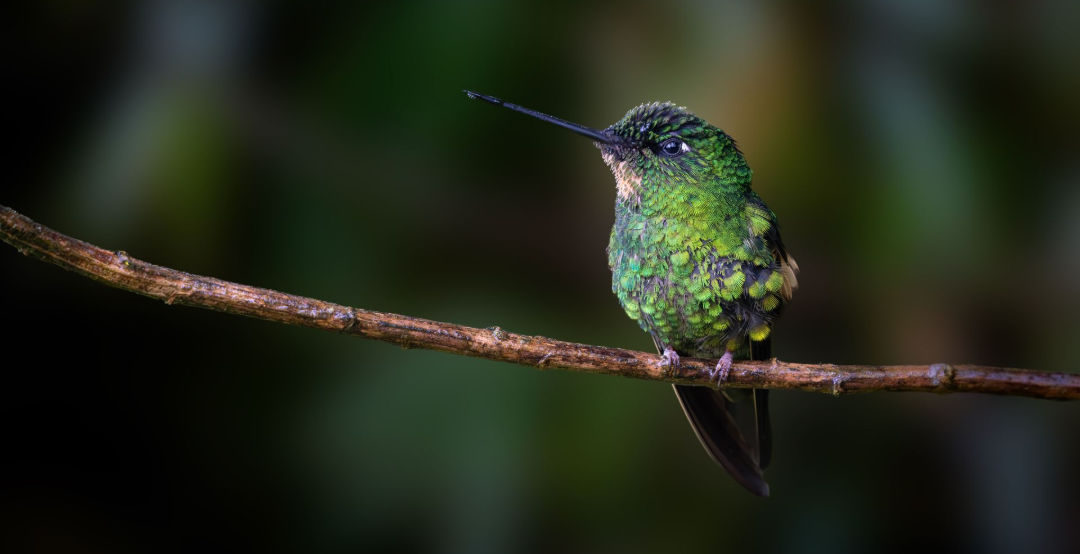
Your priorities should also account for the kind of images you want. Hummingbird photography usually benefits from controlled feeder settings, careful background selection, and sometimes multi-flash techniques. Forest antbirds, tapaculos, and wrens demand a different expectation: quieter, lower-light encounters in dense habitat, where behavior and atmosphere may matter more than a perfectly clean frame. Parrots may require pre-dawn starts and quick reactions at flyover or roost sites.
Build Around Colombia's Endemic Regions
Colombia's endemics are not concentrated in one convenient location. A productive route usually combines two or three regions rather than attempting the entire country in one visit.
The Santa Marta Mountains are one of the strongest choices for a first endemic-focused expedition. Their isolated elevation gradient holds a remarkable suite of specialties, from lower-elevation birds to highland species found nowhere else. The mountain can deliver vivid tanagers, hummingbirds, brushfinches, parakeets, and elusive understory birds, but it also asks for flexibility. Roads are steep, weather can change quickly, and the highest targets may require cold early mornings at elevation.
The Central Andes provide another powerful section of an endemic bird itinerary. This is where route design becomes especially important because productive reserves, gardens, forest edges, and private access points can create very different photographic conditions within a short distance. Some species are best sought at feeding stations, while others require forest walks, patient stakeouts, or dawn positioning near fruiting trees and vocal territories.
The Western Andes and Chocó-influenced slopes add a wetter, more dramatic experience. Rain is part of the story here, as are mossy forest textures, deep greens, and changing light. These landscapes can offer unforgettable opportunities for highly localized birds, but photographers should not schedule them as though every morning will be bright and dry. Bring rain protection that lets you keep working, not gear that stays packed in the vehicle.
For many travelers, the best answer is not covering every endemic region. It is spending enough days in two complementary areas to photograph well. A seven- to nine-day trip can create a focused experience in one region and its surrounding elevations. Ten to fourteen days may allow a stronger combination, provided travel days are treated realistically.
Give Each Target Enough Time
Photographic success depends on more than seeing a bird. You need the bird in a usable position, at a workable distance, with a clean enough background and light that supports the image. That is why an endemic bird itinerary should include repeat opportunities.
Plan at least two mornings for a priority location when possible. The first visit teaches you the light, access, perch options, bird movement, and equipment limitations. The second gives you the confidence to make better creative choices. If fog closes in, a flowering tree goes quiet, or a target fails to appear, the entire journey is not compromised.
Midday should not automatically be treated as dead time. At mountain lodges and well-managed birding gardens, hummingbird activity can remain excellent through the day. Midday can also be the right window for reviewing images, drying equipment, repositioning a flash setup, traveling between elevations, or taking a short break before an afternoon session. A demanding itinerary without recovery time can reduce your performance just when conditions improve.
Match the Season to Behavior, Not Just Weather
There is no single perfect month for all Colombian endemics. Seasonal rainfall, flowering cycles, fruit availability, breeding activity, and local elevation influence where birds feed and how visible they are. A dry period may make trails easier and mornings more predictable in one region, while a wetter period can improve flowering activity or produce richer forest conditions elsewhere.
Ask practical questions when selecting dates. Are your priority hummingbirds likely to be active at established feeding stations? Are parrots using a known roost or feeding area? Is a high-elevation road normally accessible? Are the most photogenic fruiting trees reliable at that time of year? A knowledgeable local guide can turn these variables into a route with sensible alternatives rather than a schedule built on hope.
Weather also shapes your packing. In the Andes, layers matter more than a single heavy jacket. A moisture-wicking base layer, warm mid-layer, waterproof shell, sturdy footwear, dry bags, lens cover, and spare microfiber cloths are practical essentials. Humidity, rain, and sudden temperature changes are normal field conditions, not signs that a trip has gone wrong.
Design for Photography, Not Transportation
A common mistake is measuring an itinerary by distance on a map. Mountain driving, road conditions, stops for birds, luggage handling, and changes in elevation make travel slower than it appears. The best route protects the first and last light of the day and moves between locations during lower-value hours whenever possible.
Lodging deserves the same attention. A comfortable lodge near productive habitat can be more valuable than a luxury hotel far from the forest. Early access means you can be in position before the first calls, return briefly to rest when needed, and stay out through late-afternoon activity without a punishing drive. Good meals, reliable vehicles, safe logistics, and staff who understand early departures make a real difference over multiple field days.
For serious photographers, group size matters too. Small groups make it easier to work a perch without crowding, rotate positions fairly, and respond when a guide hears a target species nearby. Private departures offer even more control when you have a specific species, mobility consideration, preferred comfort level, or photography technique in mind.
Photograph With Respect for Habitat and Communities
The strongest wildlife images come from ethical field practices. Keep a respectful distance, avoid pressuring birds at nests, use playback sparingly and responsibly, and follow local guidance around sensitive species. Feeders and blinds can create excellent photographic opportunities when they are managed carefully, support local livelihoods, and do not compromise habitat stewardship.
Ethical tourism also means recognizing that access is built on relationships. Rural families, reserve staff, Indigenous communities, Afro-descendant communities, local drivers, and guides often hold the knowledge that makes a productive day possible. Choosing an operator that works respectfully with those communities helps direct photography travel toward conservation and meaningful local benefit.
At Retorno Photo Tours, route planning is shaped around this reality: target species matter, but so do safe operations, fair local partnerships, realistic timing, and the protection of the places that make rare birds possible.
Leave Space for the Unexpected
A focused plan should still have room for surprise. A mixed flock can suddenly bring a show-stopping tanager into the open. A roadside stop may reveal a flowering shrub full of hummingbirds. A rain break can fill the forest with movement. These moments are easier to enjoy when the core itinerary is not overloaded.
Bring the long lens, but do not ignore wider perspectives. Habitat images, environmental portraits, guide-and-landscape scenes, and details of the mountain forest can give your final collection a stronger sense of place. The rare endemic may be the reason you came, but the story behind the photograph is often what makes it unforgettable.
Give your priority birds the patience they deserve, trust the terrain, and let Colombia's forests set part of the pace. That is where a demanding species list becomes a genuinely memorable photographic journey.
Scheduled Tours
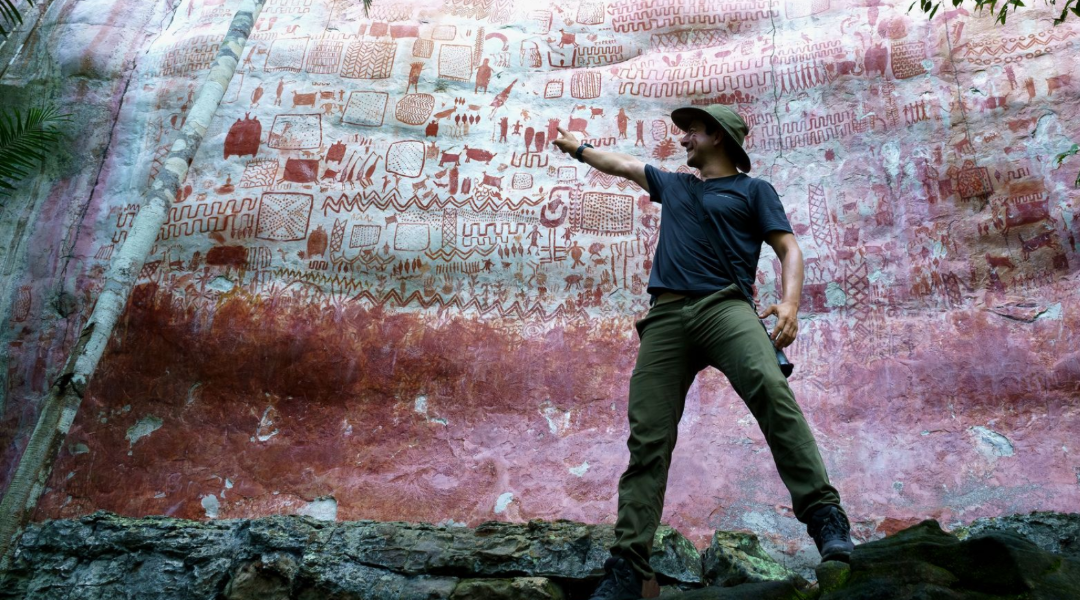
Western Amazon: Gateway to Chiribiquete.
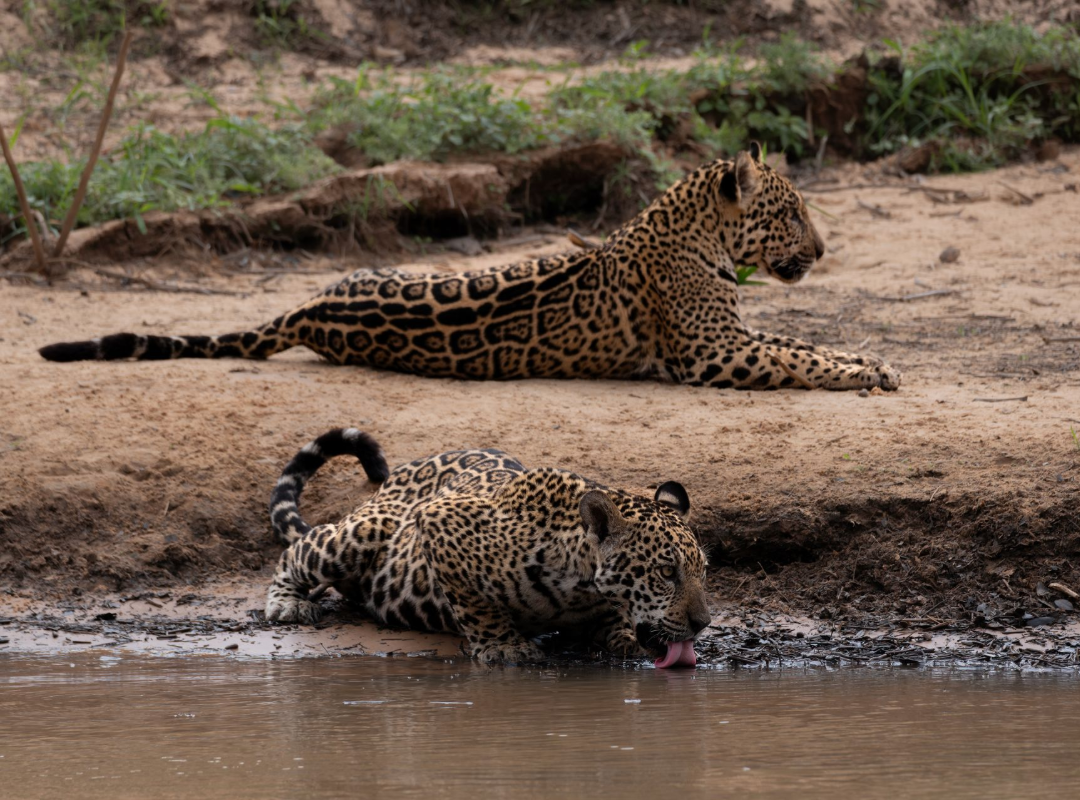
Jaguars of Pantanal
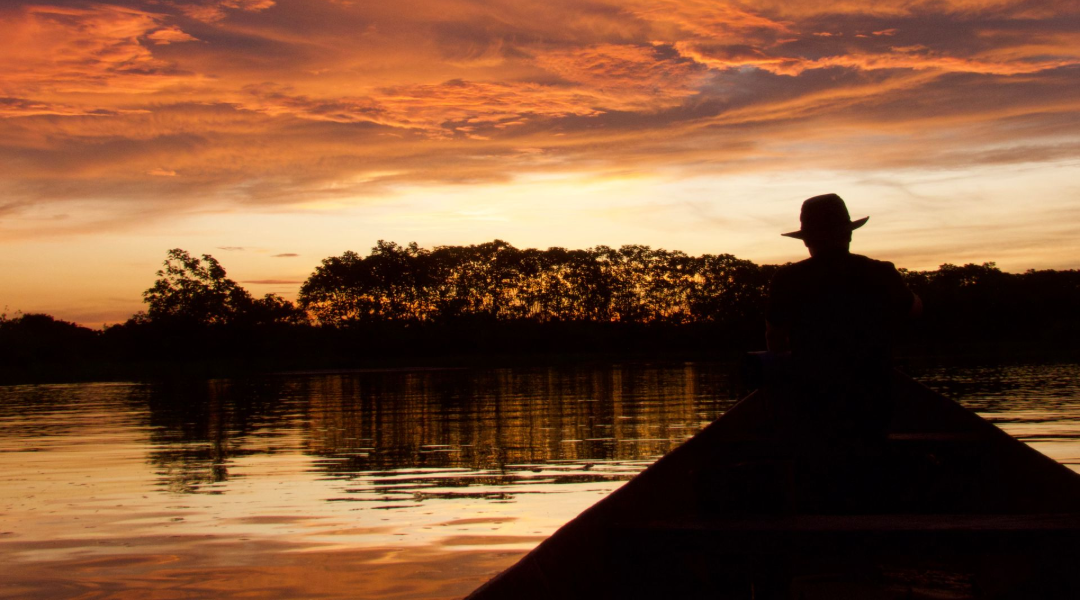
Amazon's Guiana Frontier - Mitu.
Emblematic Birds Photo Tour